
Hola! I’ve been WAY overdue for a trip out of the country. COVID hit and I just haven’t felt safe traveling anywhere by plane (I usually always get sick any time I’m on a plane to begin with), but thankfully after getting fully vaccinated, and with all the proper precautions in place with airline and travel guidelines, I felt decently safe going out of the country for the first time in nearly two years. I’ve had my eye on Spain for quite a while now. In high school, I took a big trip to Europe with some of my classmates. We went to Italy, France, England, Germany, the Netherlands, Switzerland, and Belgium. I may be leaving somewhere out, but just to say all the major European countries one thinks of.. other than Spain. I feel like it was always a piece of my travel puzzle that was missing and needed to be completed. Part of the appeal to me was the weather in December, when I always have a week long vacation. During my stay, it was usually in the mid ’50s (degrees Fahrenheit), which is totally manageable to walk around and explore in. Barcelona specifically intrigued me. I’ve seen pictures of Parc Guell and La Sagrada Familia and found the architecture to be so unique. I looked into other Spanish cities, like Madrid or Seville, but found myself primarily drawn to Barcelona, and decided to just concentrate my trip here. I would have liked to made the trip to Portugal while I was so close, but U.S. re-rentry requirements became more strict while I was on my trip, and I decided flying anywhere else and having to deal with each country’s testing requirements would be more trouble than what it would be worth. Hopefully I can get back to that area sometime and go to Portugal and possibly Ibiza or Palma de Mallorca (I decided island hopping in winter may not be all that fun even though I would’ve still technically been in Spain). Another reason I went to Spain was to see the culture. It’s one of those countries when it comes to mind, you think of specific things: bullfighting, flamenco dancing, and tapas.. It is a country that just has so much tradition and culture that one can’t help but want to see that and to be immersed in it for a while.
Not going to lie, I was a little scared of the language barrier. I always am when traveling to a foreign country. I found the people I spoke to either almost spoke English fluently, or not at all. Quite a few games of charade were played between me and waiters at restaurants. I took Spanish wayyyy back in middle school. It was only one class, so I know very little. The good thing about Spanish is that I could at least read a lot of it and figure out what things were. The more I overheard conversations, the more words I could pick up on and figure out. It is a foreign language, but at least to most Americans, it is not completely foreign, like Dutch or Mandarin, or something along those lines would be. I managed ok alone and without a lot of help from any apps (though I will always recommend Google Translate for anyone who goes anywhere that English is not the primary language).
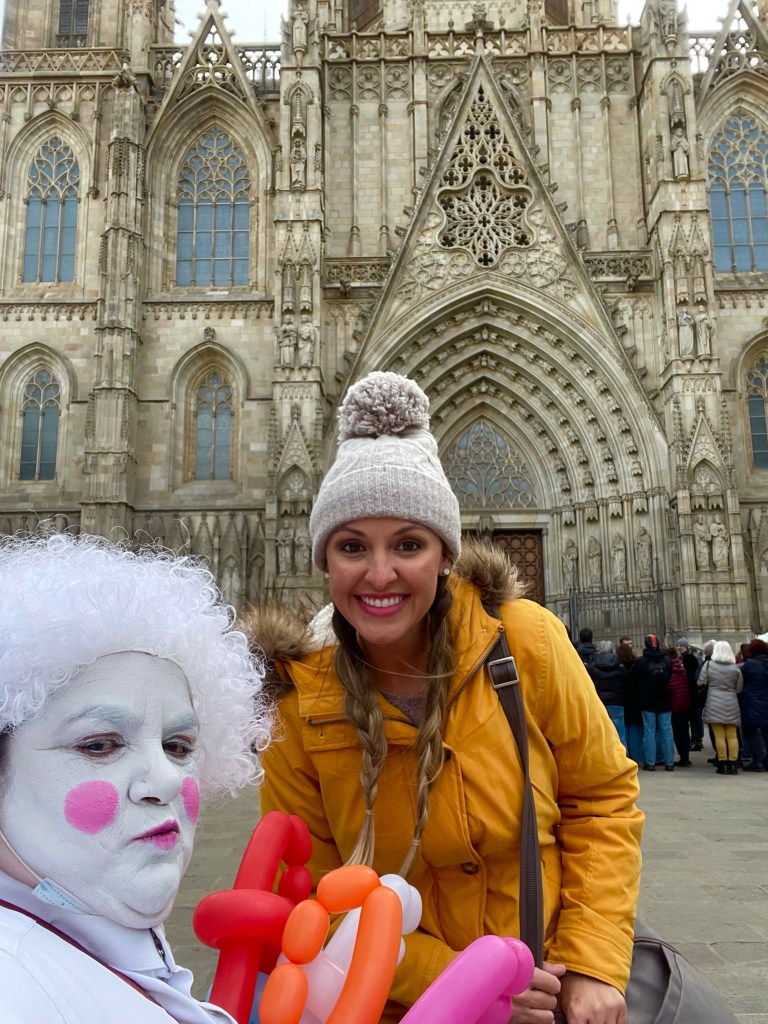
I found Barcelona surprising in that unlike many other big cities, I rarely saw homeless people, beggars, or anyone who could be perceived as threatening. The city was kept clean, and I felt safe walking around alone. Still, to be precautious, I did not go out late at night, and always made my way back to the the Gothic Quarter where my hotel was located when it became dark. There are a LOT of people in Barcelona. Its one of those places that is usually buzzing, other than the mornings before 10 am. I took my tripod to try to take some decent travel pictures where I was alone, but found it too much of a hassle to attempt to set it up with all the people around, and just abandoned the idea. Sorry for all the selfies, but sometimes that’s the best one can do.
I’m thankful for this trip. I didn’t know how I would feel traveling solo again, but it was nice. I still think it is preferable to see places with someone you care about beside of you and make the most of the experience. But if not with the right travel partner, sometimes it is best to go alone. I do like going where I want to go and doing what I want to do on my own schedule, without worrying about anyone else’s needs or happiness from time to time. It was refreshing to find myself in a different place and to be able to fend for myself all alone in a foreign country. I’m not going to lie.. as a female it renews your sense of empowerment. You realize you can do absolutely anything– that you are brave, you are capable, and you will live your life to the fullest- partner, or no partner. I urge anyone who is considering traveling, but may be scared or may have no one to go with, to take the plunge– with a level head and a good amount of research and planning. You’ll be so happy you did. Traveling brings me so much happiness, and its one of those things I will always look back on and be glad I took the plunge.
Ok.. so.. back to Barcelona..
Attractions
Parc de la Ciutadella (Citadel Park)
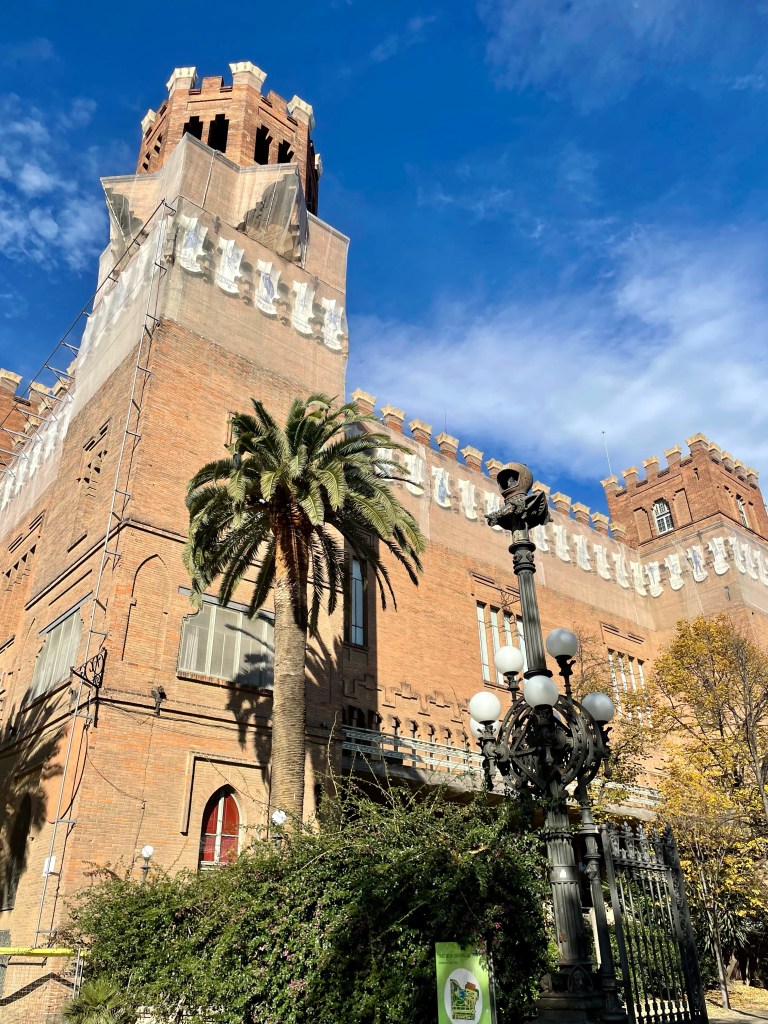
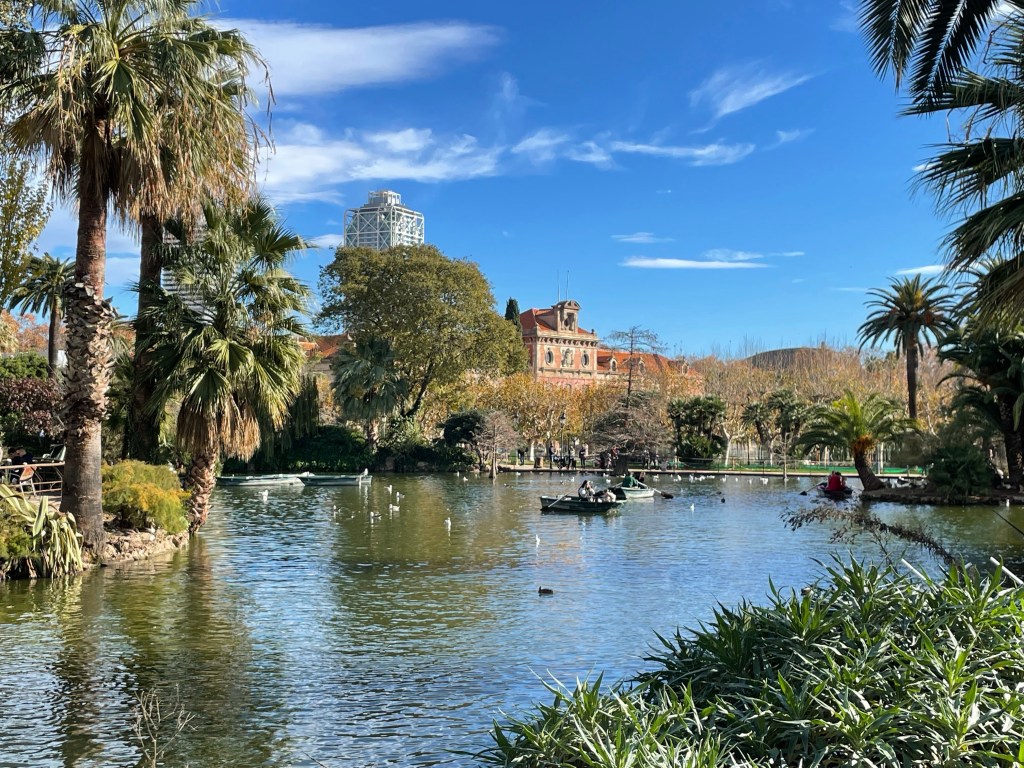
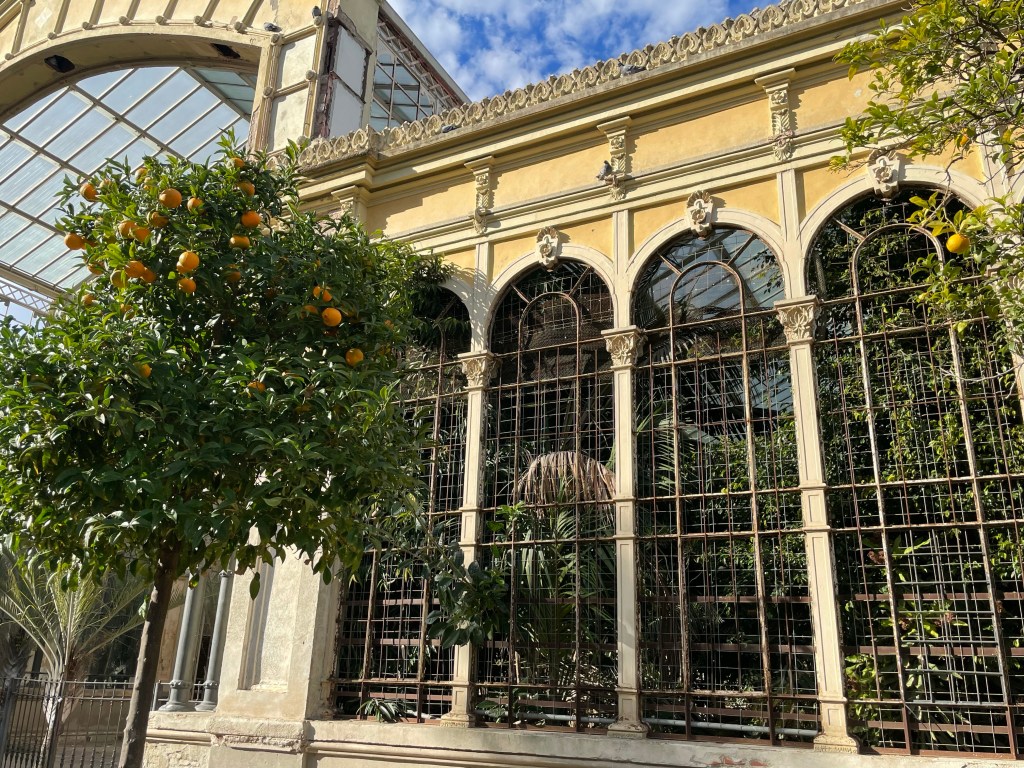
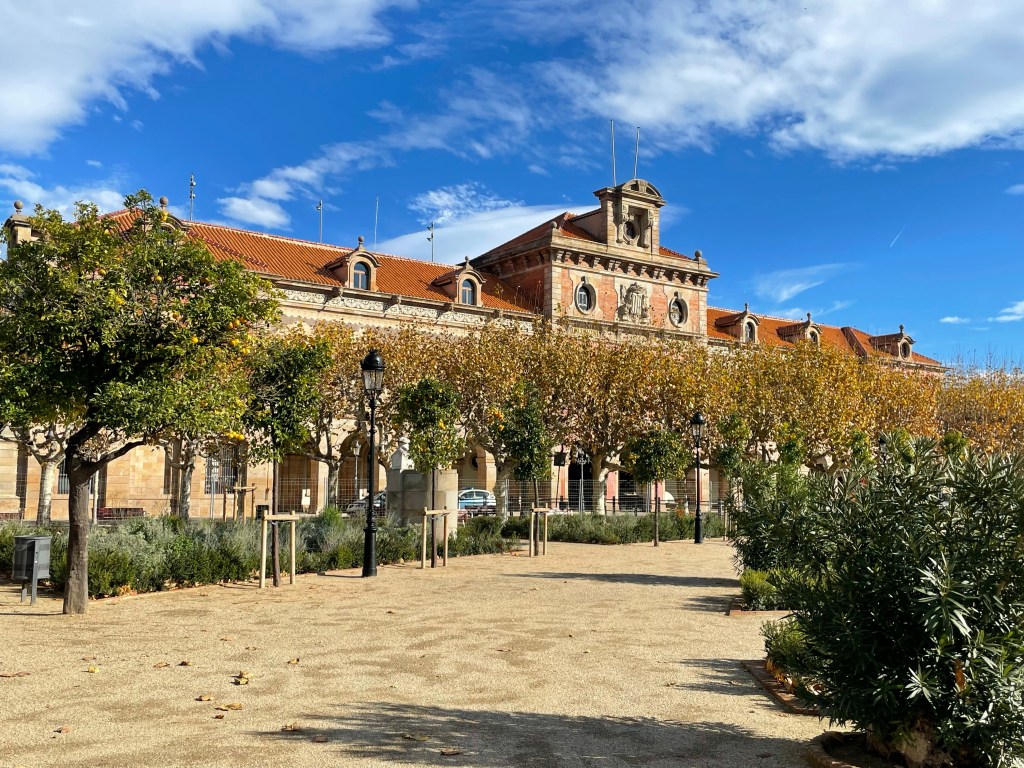
One of the first places I went to when I arrived in Barcelona was this beautiful park, and it was a great introduction to Barcelona! The park was designed by architect Josep Fontsere for the 1888 Universal Exhibition (World Fair). It had previously been a citadel built by Philip V, but was demolished. This lush 44 acre park holds many attractions, like the Castle of three Dragons, the Barcelona Zoo, a giant mammoth statue (random, I know), the Catalan Parliament, and my favorite, the Cascada Monumental. This park is an ideal place to relax, have a picnic, take pictures, and people watch. There’s also a lovely green house and a lake, where you can rent a canoe and take an afternoon row!
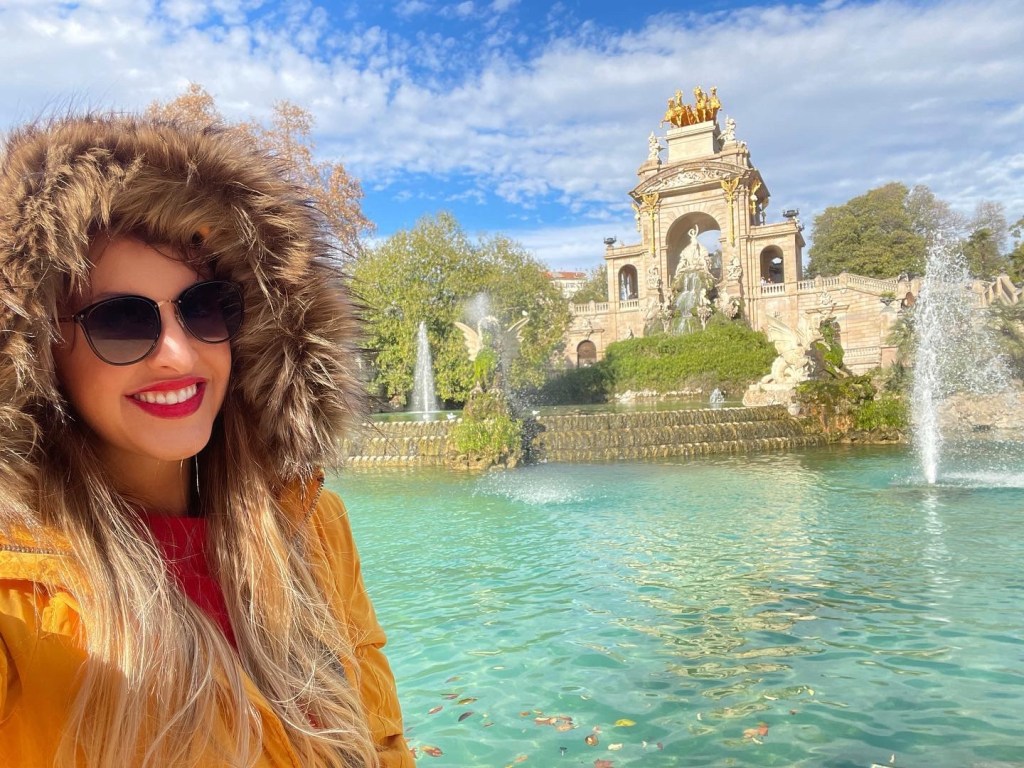
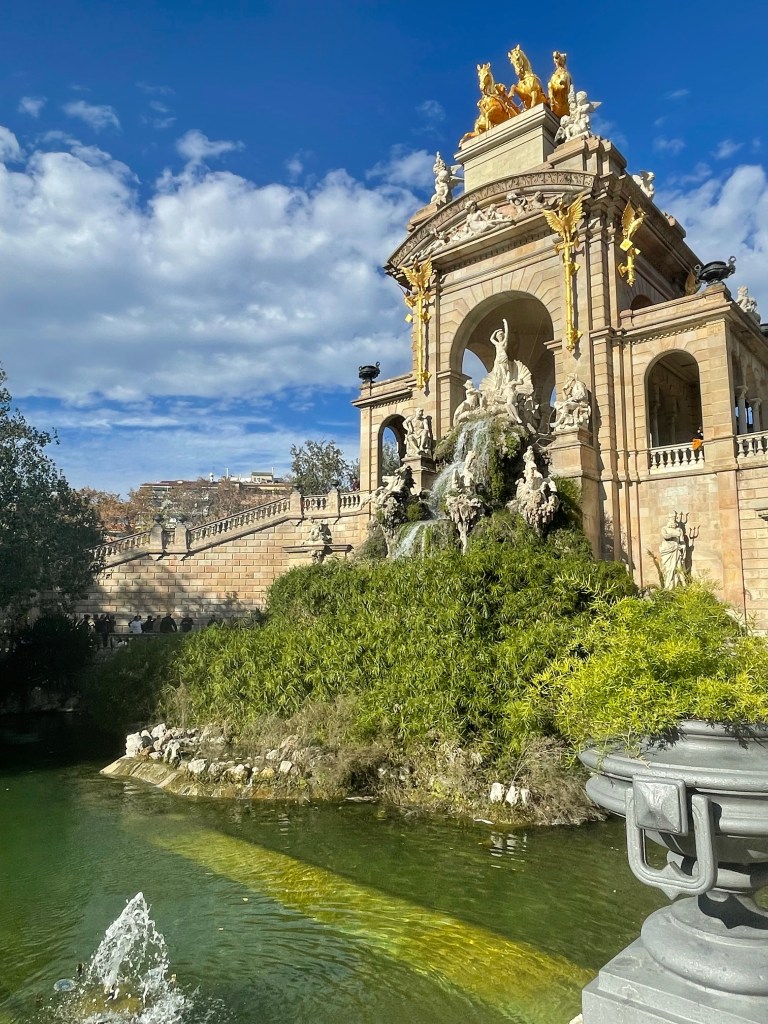
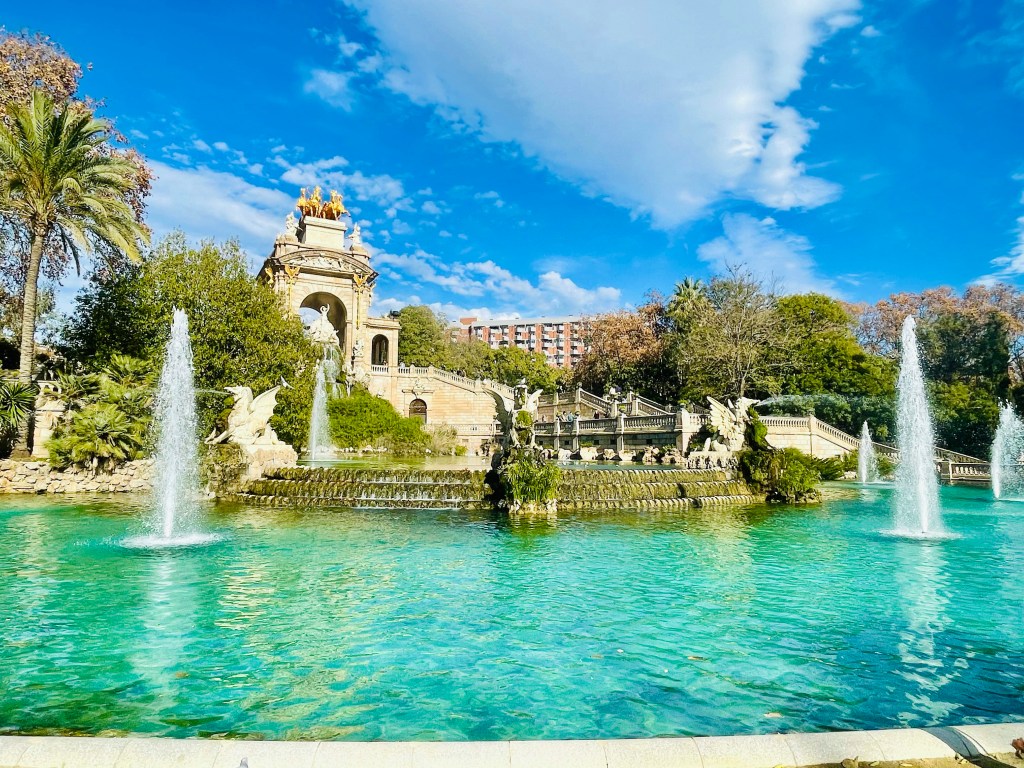
Cascada Monumental is simply breathtaking, and I have to give more details on this stunning masterpiece right in the middle of this park. When the fountain was first inaugurated, it lacked details and thus was criticized harshly by the press. Fontsere and other architects, one of which may have possibly been Gaudi (who would have been only a student of architecture at the time, and not very involved) made amendments to create the beautiful fountain it is today. Fontsere wanted it to look similar to the Trevi Fountain in Rome. The sculptures where the fountain feed from depict the birth of Venus. She emerges from a shell. At the very top of the arch, the golden statue depicts the chariot of Aurora. It has 4 horses leading his chariot. He holds a torch, which symbolizes sunrise illuminating the world every morning. The goddess of the sunrise is also found to one side of the fountain’s arch.
Museu Picasso
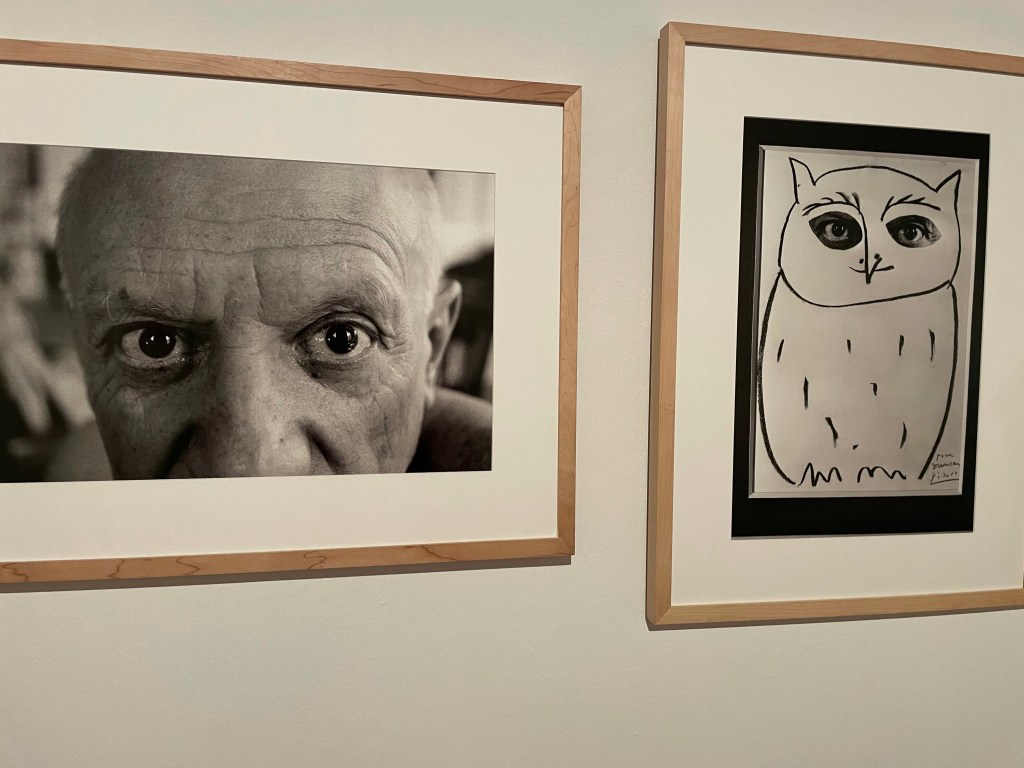
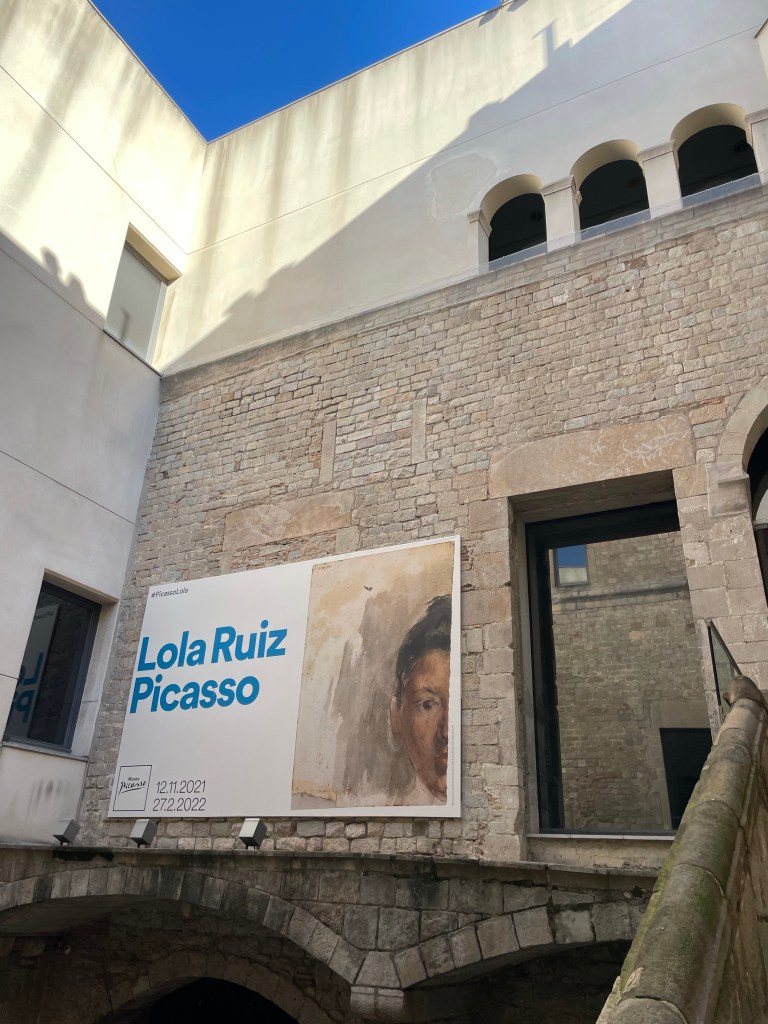
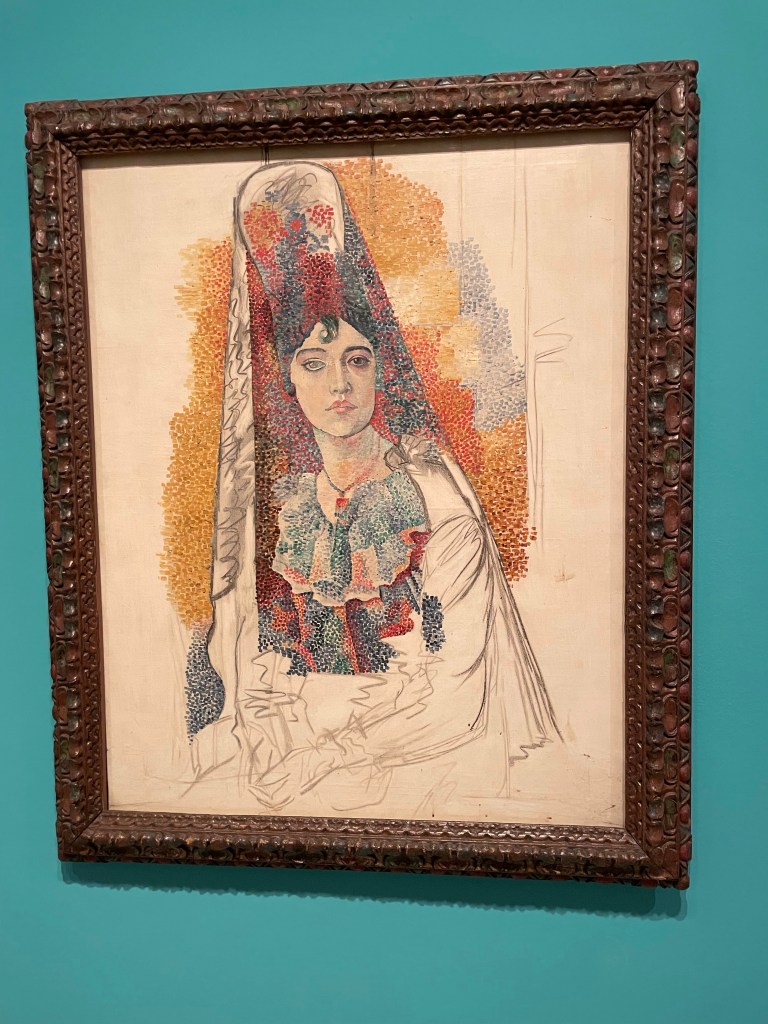
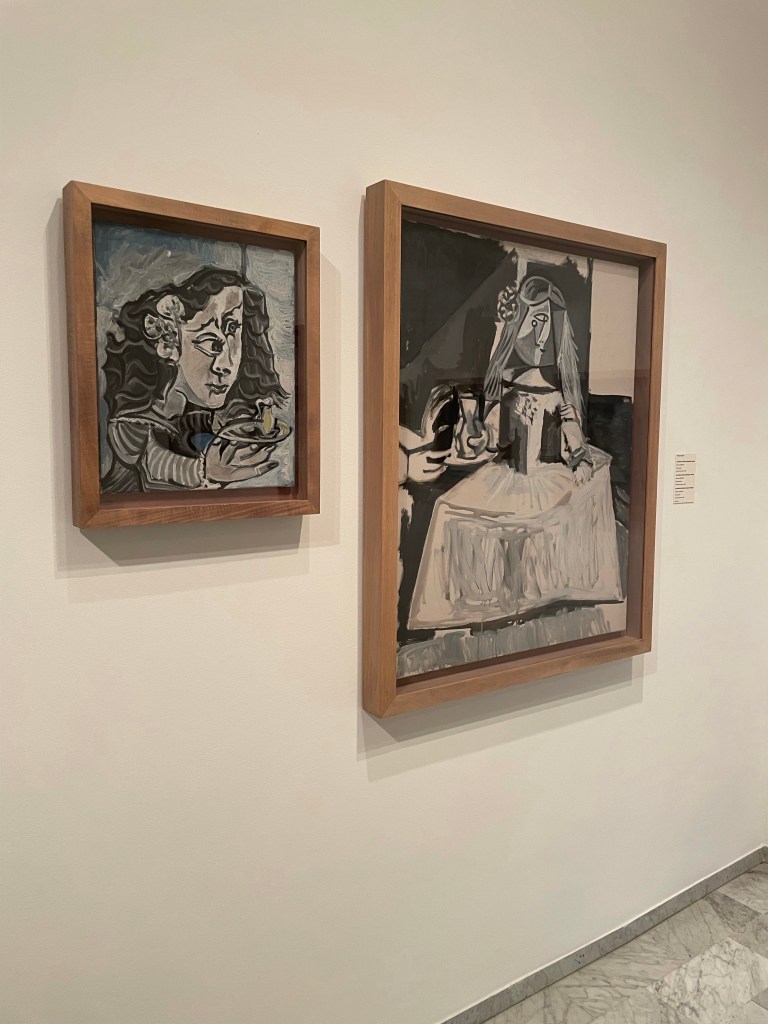
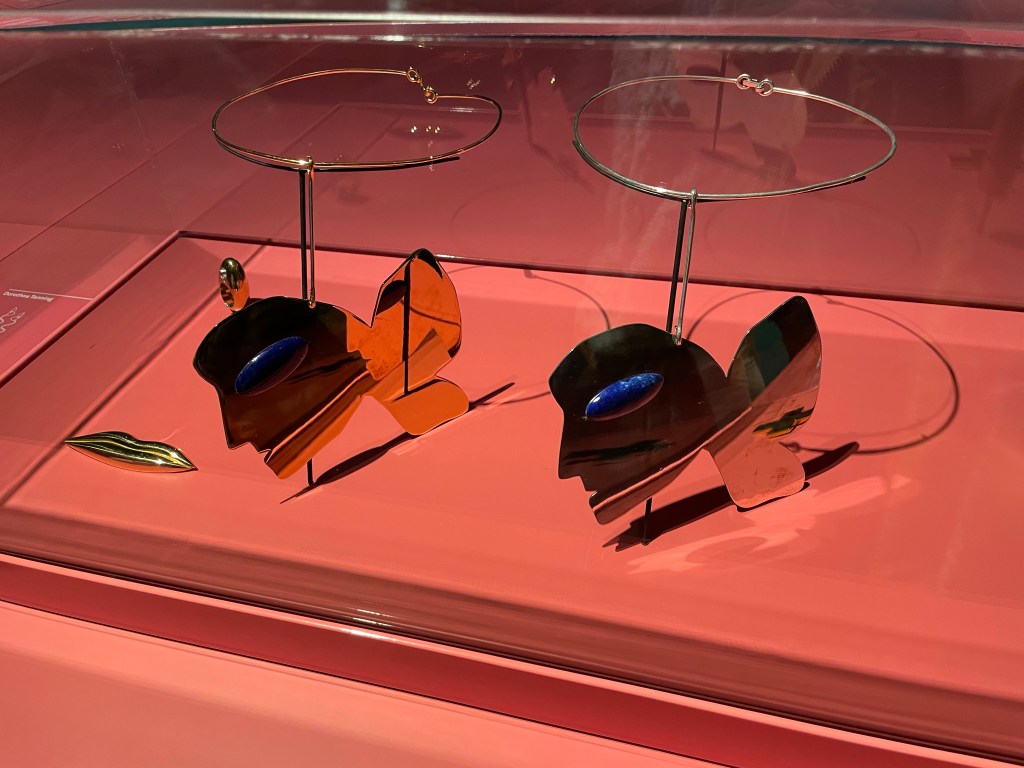
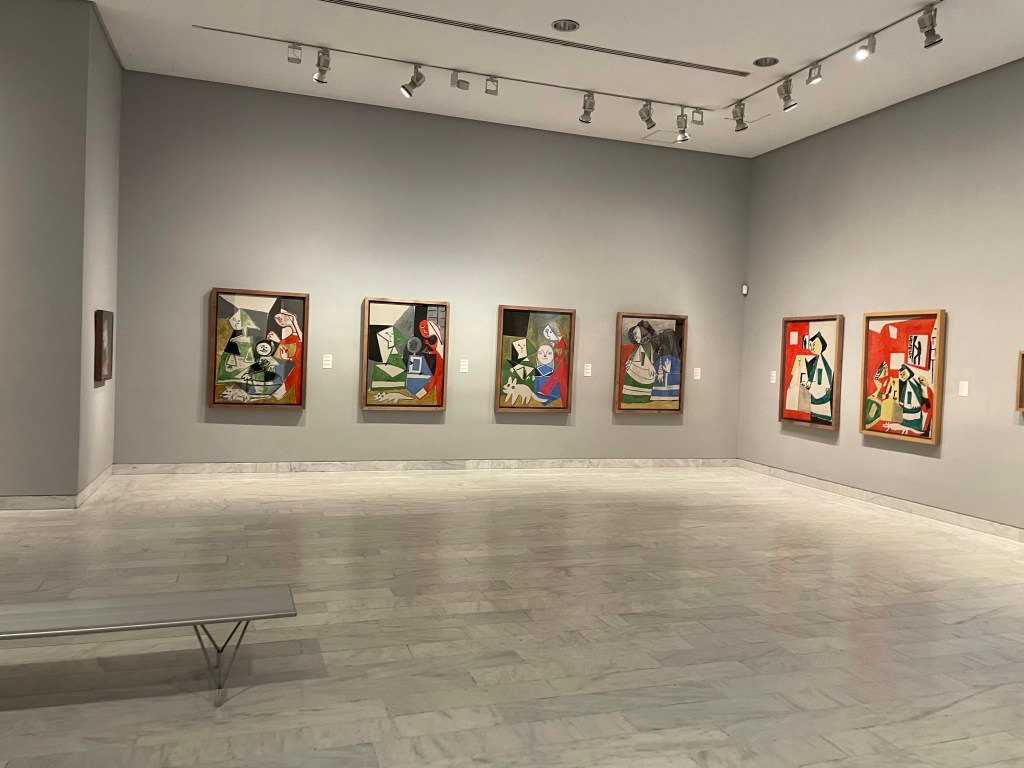
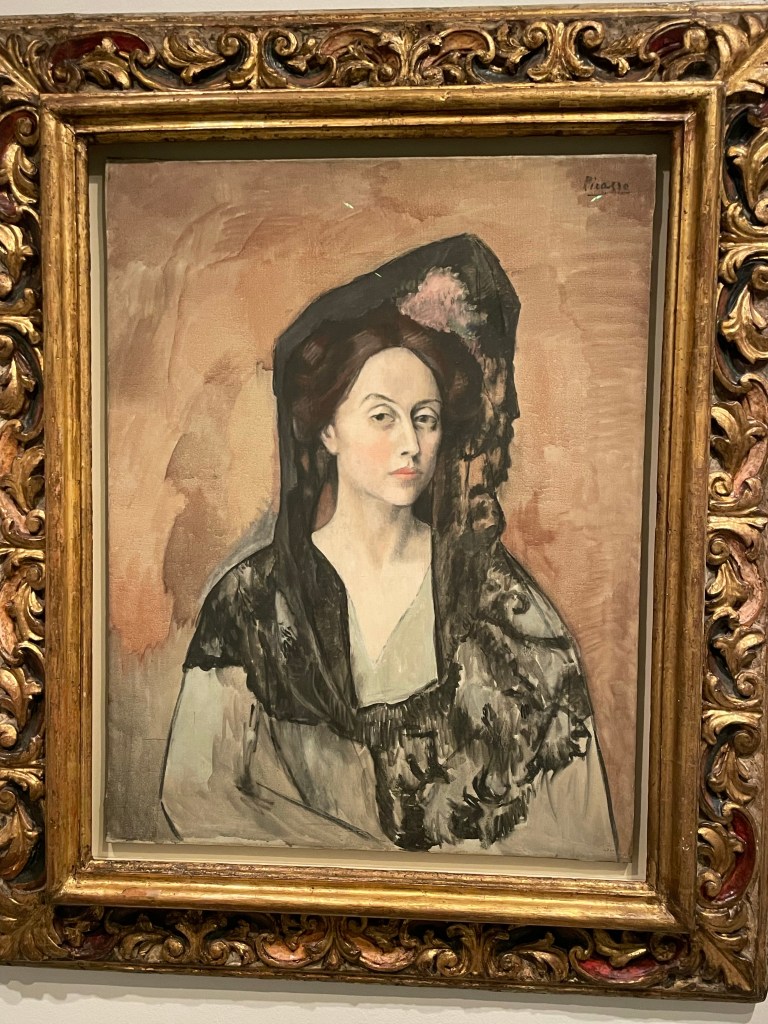
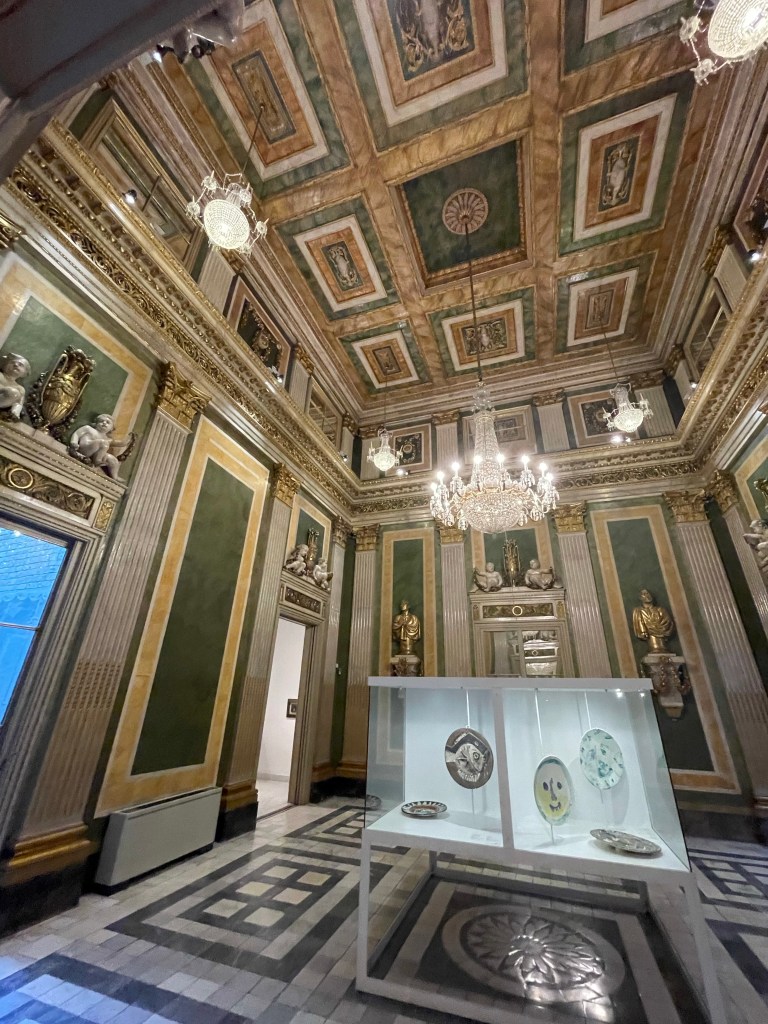
We have all heard of Pablo Picasso, but I had no idea how diverse of an artist he really was. Before visiting this museum, when I thought of Picasso, I envisioned the modern paintings with cubism, and that stopped there. Here you’ll find many different exhibits. One of my favorites was on his sister Lola, who was a featured model in many of his works. You see how he paints her in different times through their lives, using different techniques. I also had no idea the man made jewelry, pottery, or did many realistic style paintings. I was in awe by what a gifted artistic genius this man was! The museum was the only museum that was opened while Picasso was still alive. His friend donated her Picasso collection to it, and Picasso himself picked Barcelona to house his works since it was such a pivotal city for him. The museum currently has over 4,000 of his masterpieces. It is located in the old city of Barcelona, in 5 adjoining houses from the 13th and 14th century, which are also a treat to see. Admission is 12 euros. There are special rates depending on age. There are also specific dates and times you can go for free, so make sure to check their website before going. I spent around 1.5 hours here.
Parc Guell
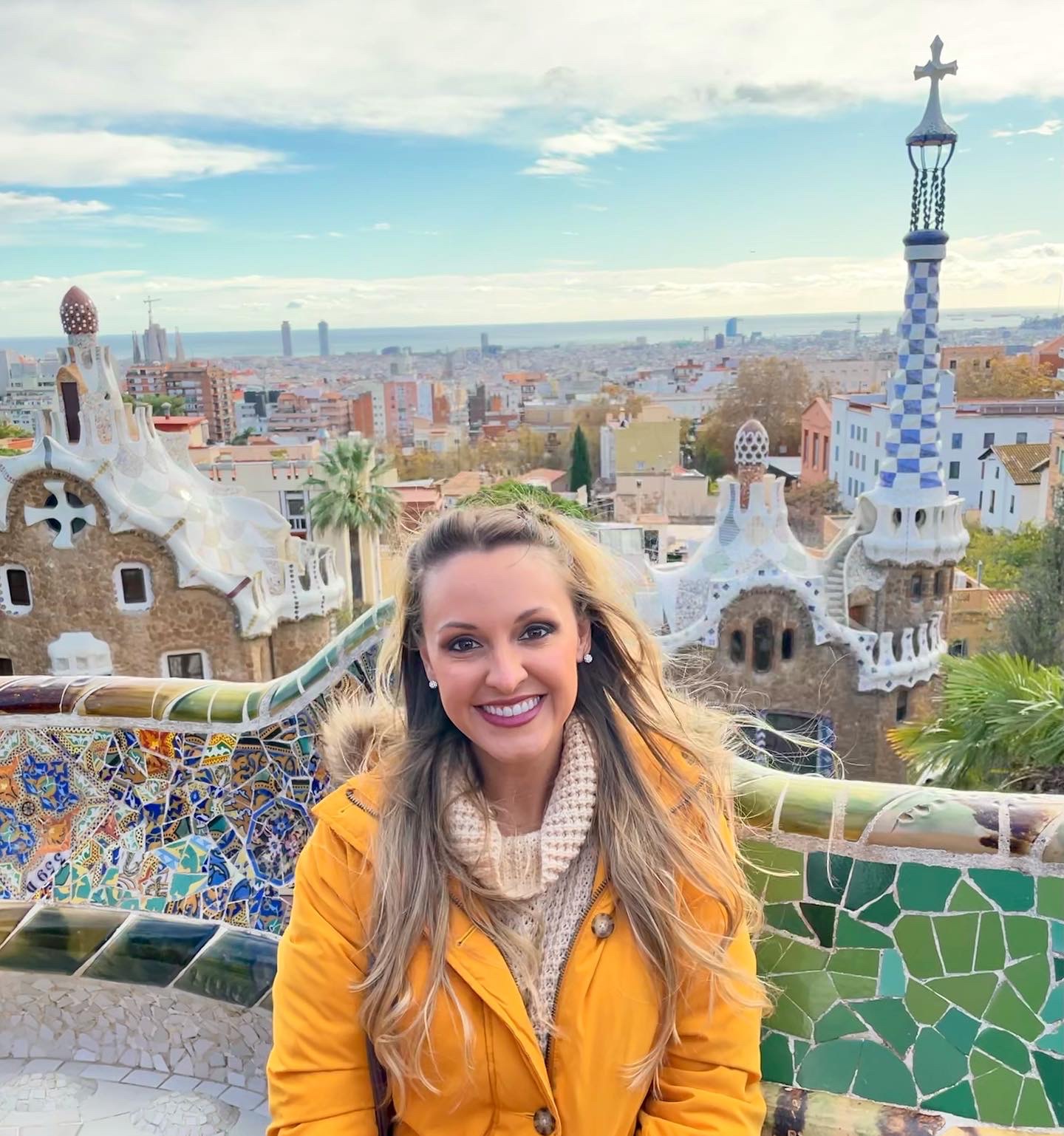
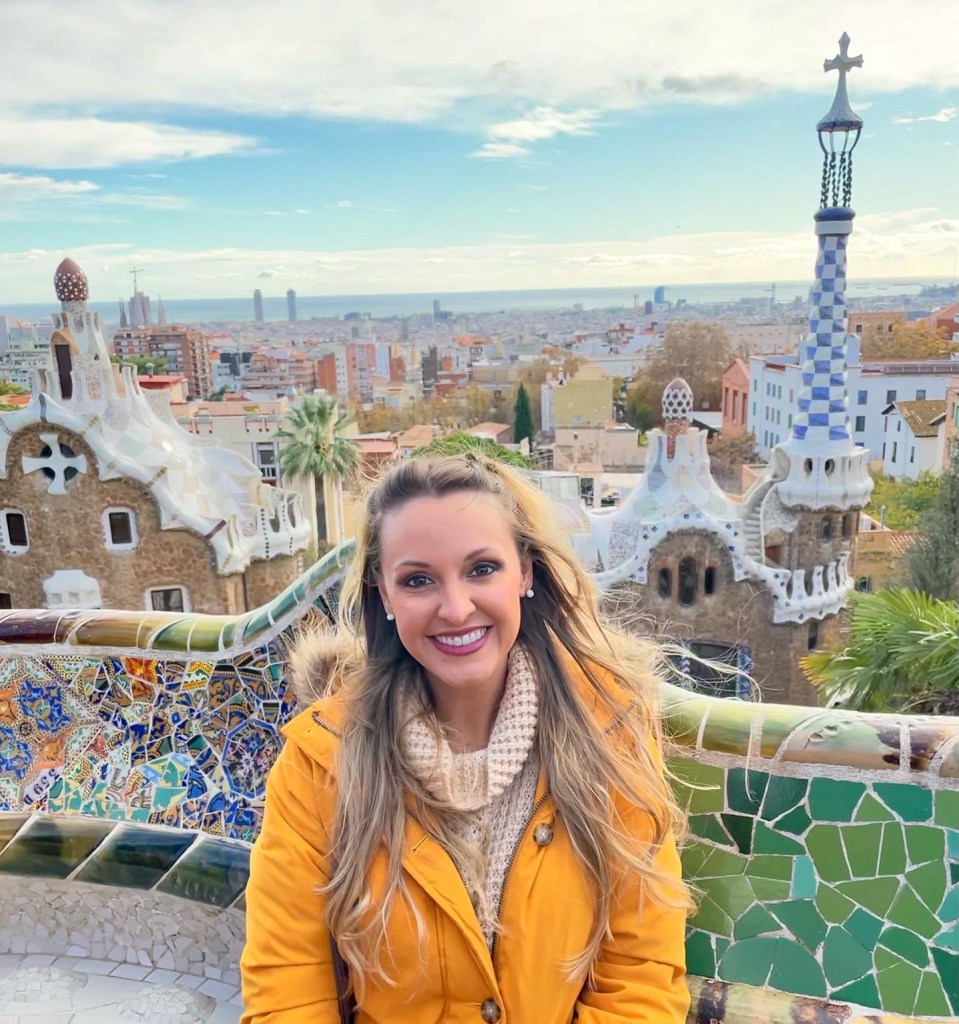
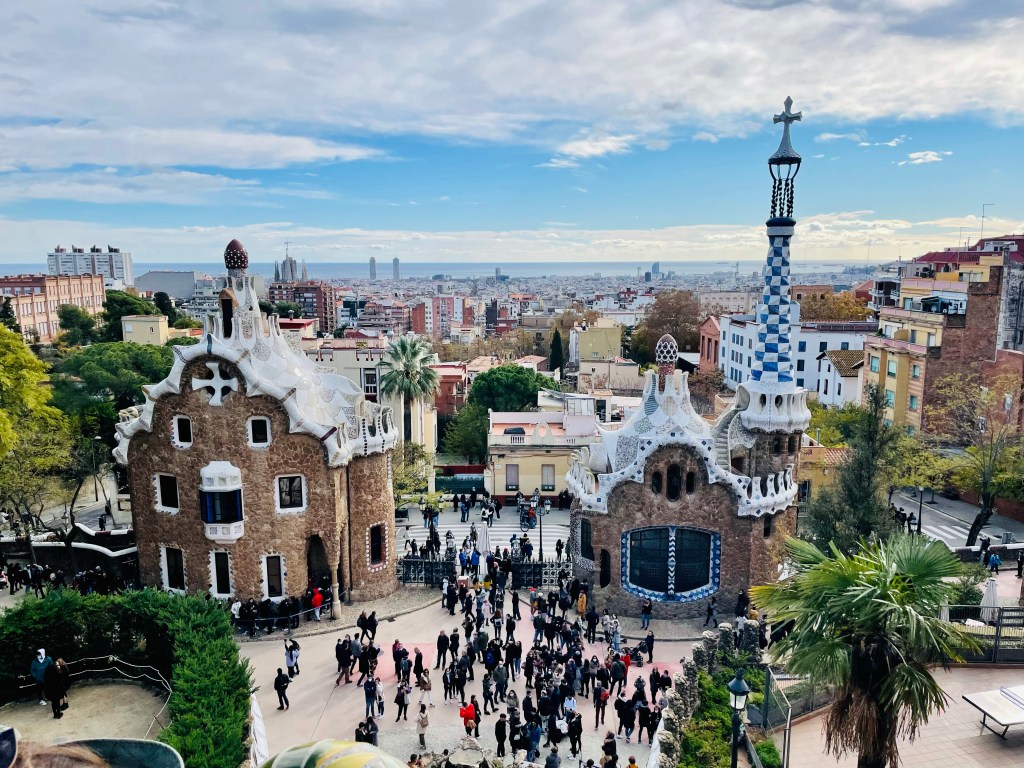
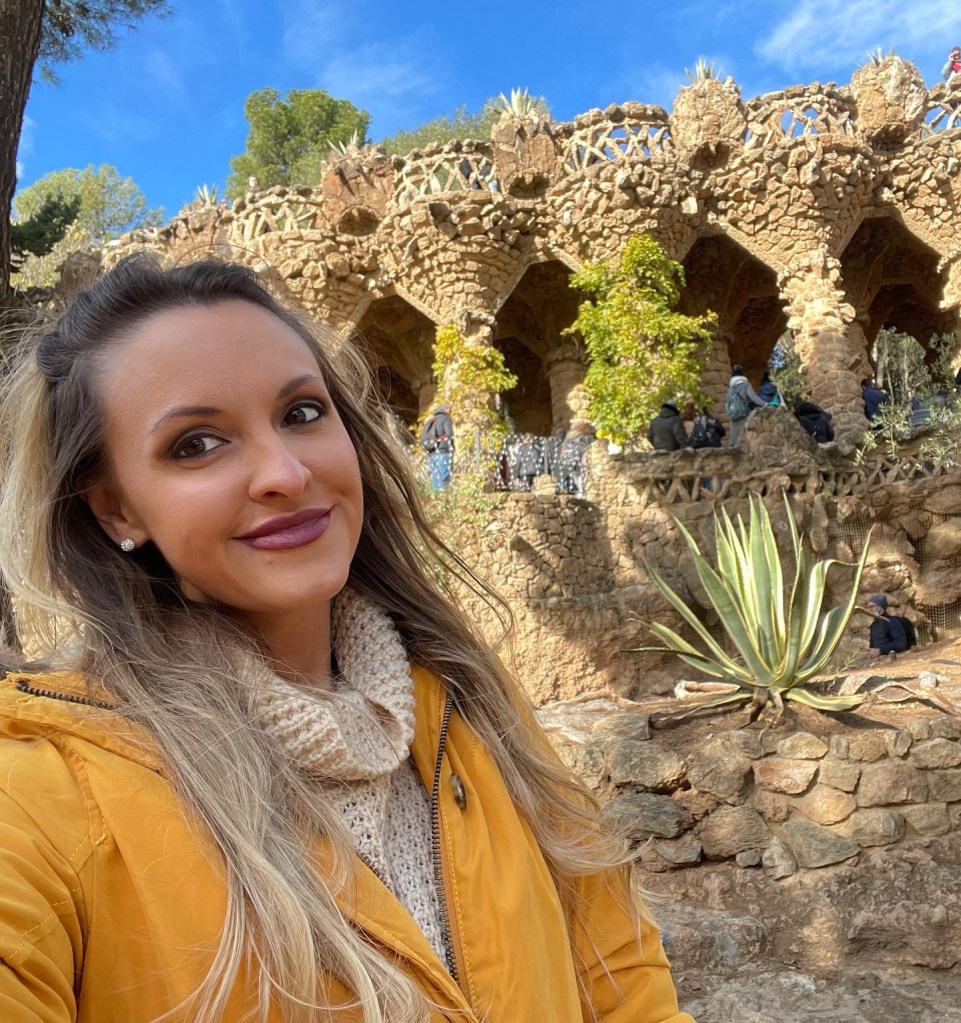
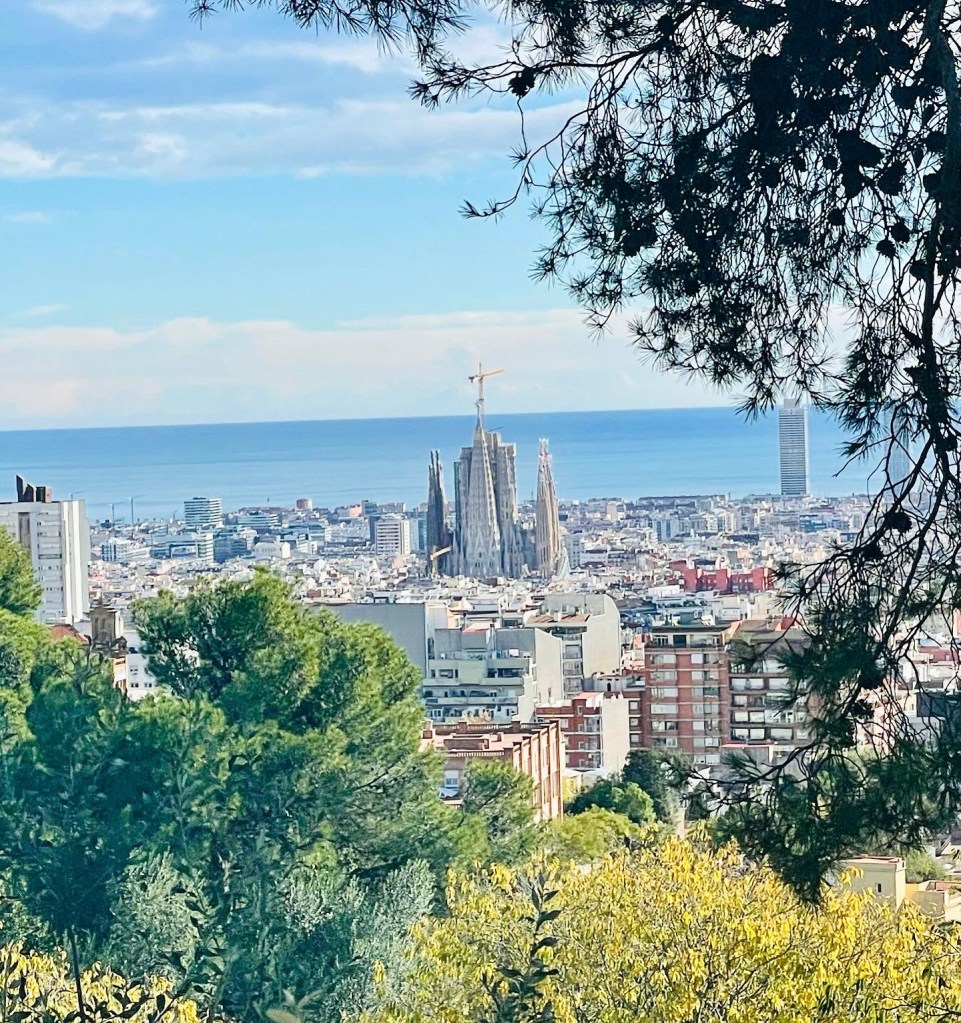
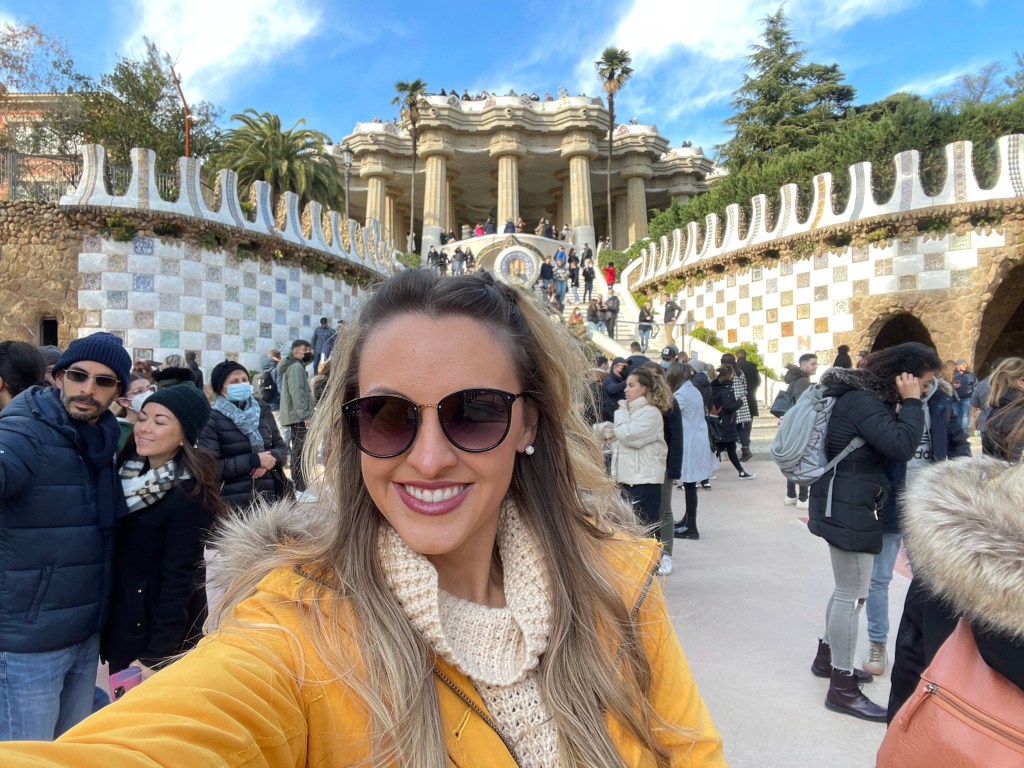
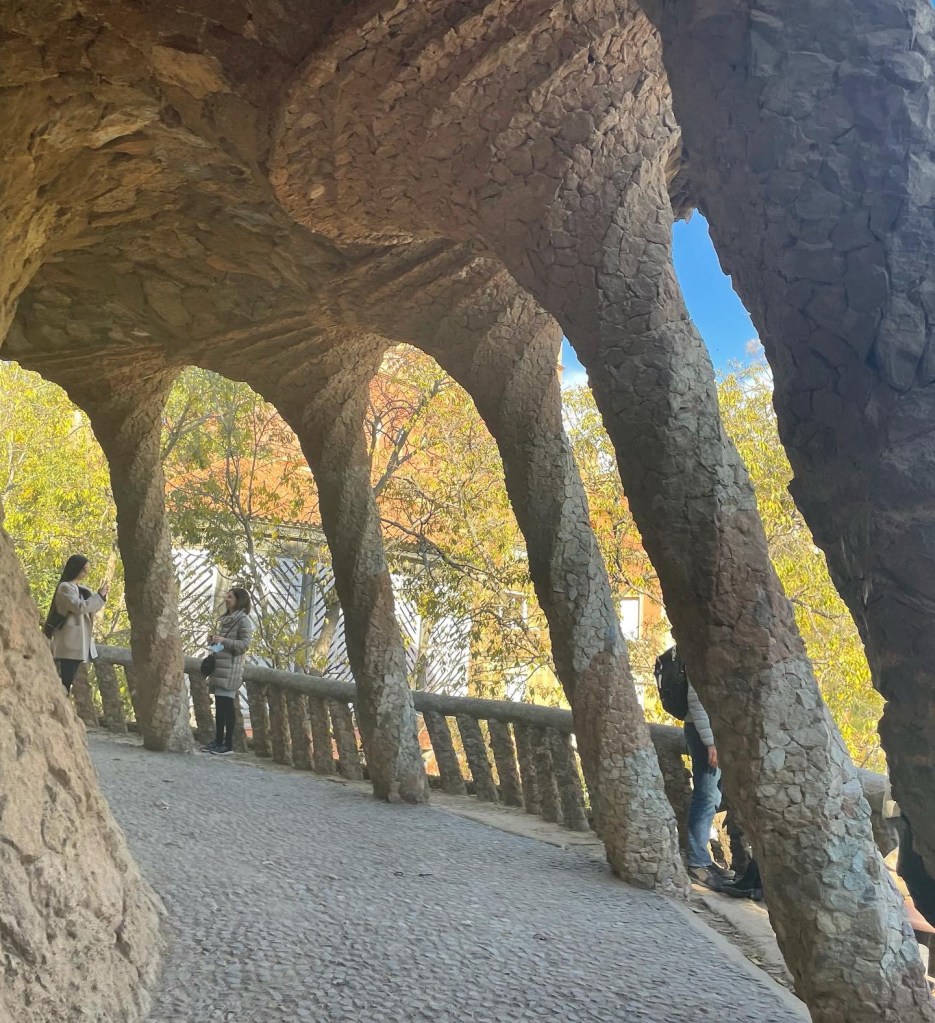
This is the place to go to get all those beautiful pictures of Barcelona. Experience panoramic views from the top of Carmel Hill, along with the unique and brilliantly designed buildings by Gaudi. The park was originally supposed to be an upscale housing development that would promote health away from the city with all the smoke from the factories. Guell, who the park is named after, was a rich Barcelonian who befriended Gaudi. He lived in one of the two houses in Parc Guell. Gaudi ended up living in the other house (currently the Gaudi House Museum), though neither was designed by him. The main focal point of the park is the terrace, which has a long, curvy bench made of mosaics, in the shape of a sea serpent. From here you can look down and see the two “Candy Land” buildings at one of the entrances to the park. They have unique shapes and white roofs. Thankfully the terrace is big, because so many people come here for Instagram-worthy Barcelona pictures. The whole park is amazing. You’ll go under arcs of bird nests, swirling columns, and pass the lovely historic buildings on the path up to the top of the hill. The park has a variety of wildlife, including parrots (which sadly I didn’t get to see). I easily spent 2 hours here. There is a lot to see and explore. Just be aware that this is on a decently sloped hill and walking to the park may be difficult for some. Thankfully they have escalators part of the way up. (I love Barcelona for their use of escalators alone!) So it is not hard for the general person. If you don’t have the best mobility, you may want a taxi to take you directly there. Admission was only 10 euros, and well worth it. I am torn between this and La Sagrada Familia as my #1 place not to miss in Barcelona.

Basilica de la Sagrada Familia (Sagrada Familia)
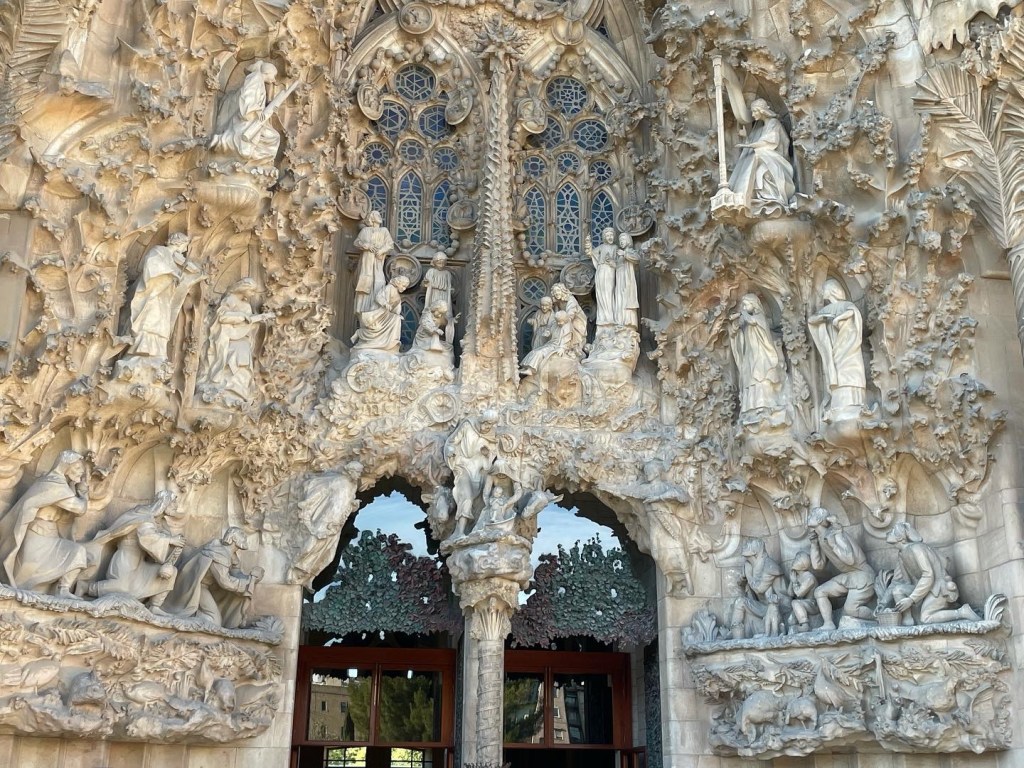
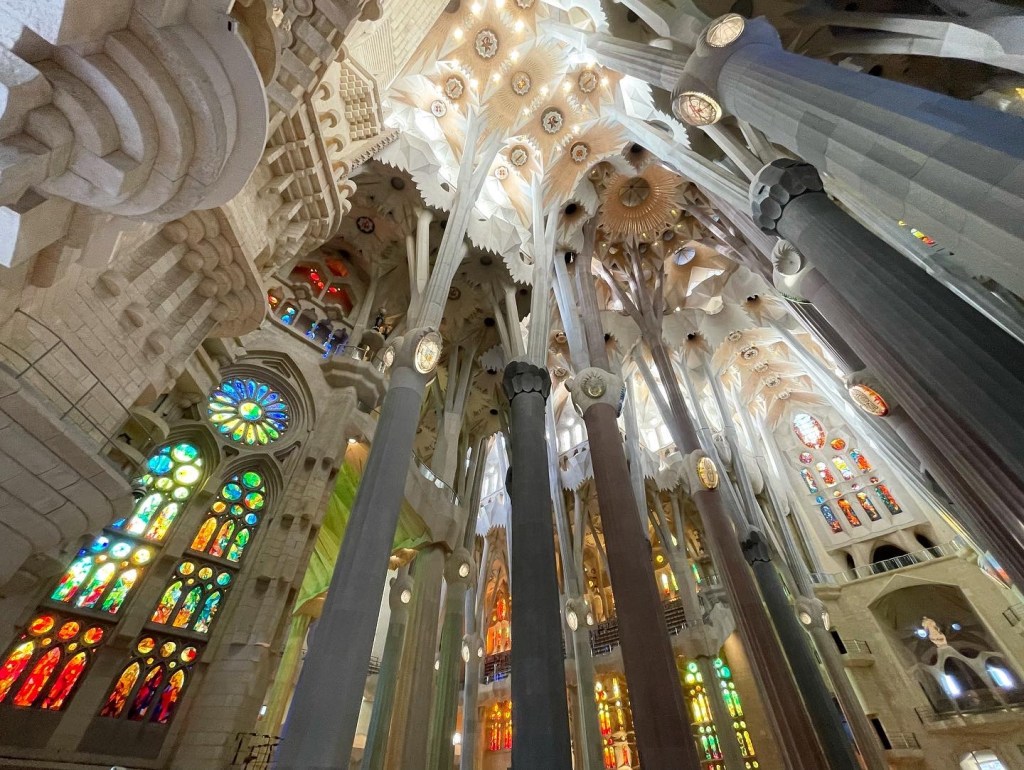
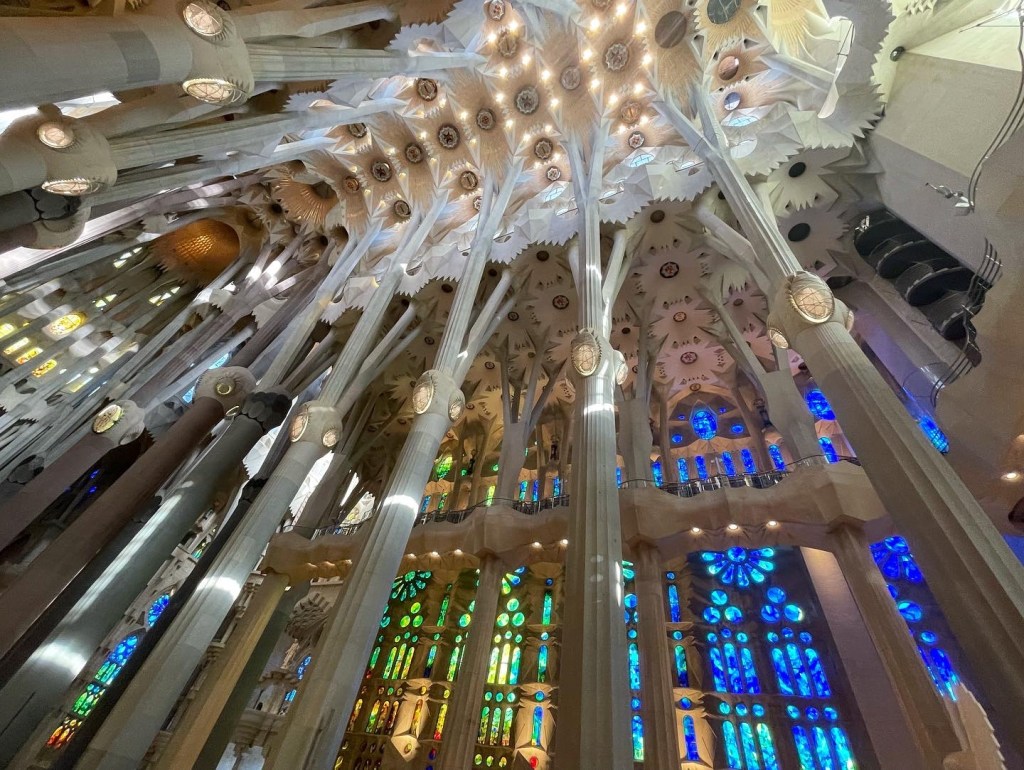
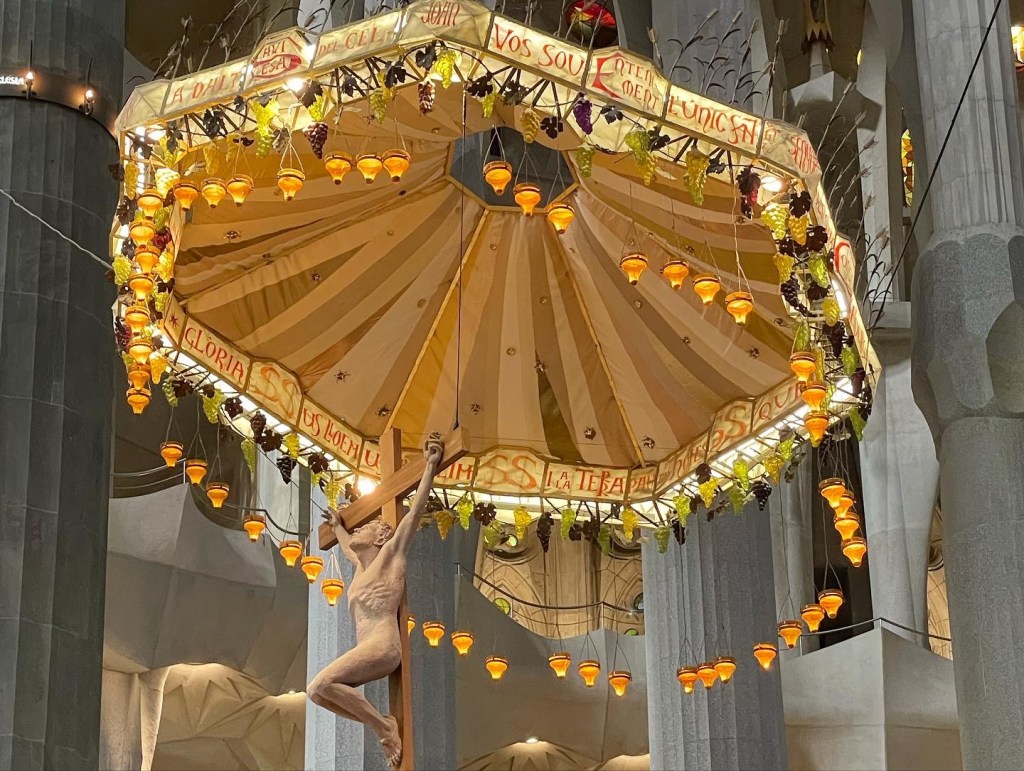
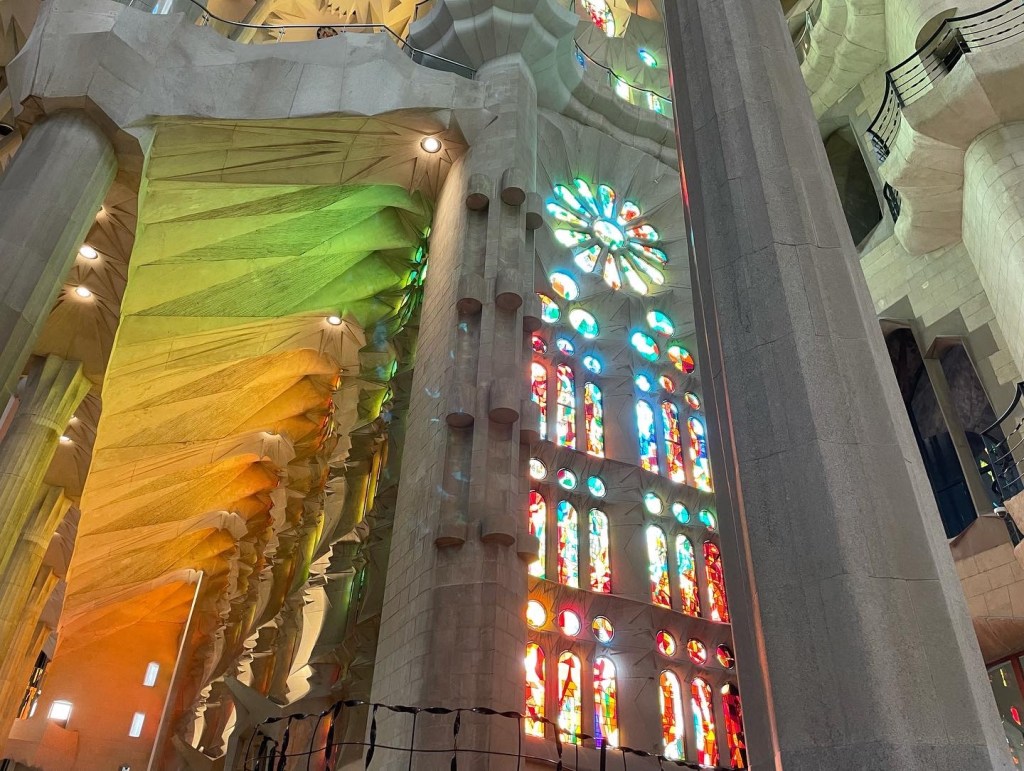
Quite possibly the most iconic building in Barcelona, la Sagrada Familia (basilica of the Holy Family), is a large cathedral that has been under construction since 1882. It is currently on its 9th architect in the span of 139 years, and they still work based on designs of Antoni Gaudi. The famous architect, Gaudi, was given the project after the first architect designed a Gothic church. Gaudi worked around the original plans, but put his own modern touches to the project. He ended up working on the cathedral his whole life, and is actually buried in the crypt here. He considered it his upmost duty. You can tell how much he poured himself into planning and thinking out every little detail of the church. The sides of the cathedral each have a different story relating to the life of Christ. First there’s the nativity facade, which shows the birth if Jesus. Jesus, Joseph, and Mary are surrounded by a choir of angels. There are the three wise men and Mary and Joseph on their way to Bethlehem. On this side there are 3 porticos to represent faith, hope, and charity. There is a large cypress tree at the top, which is the tree of life, with doves, a symbolism of peace. The passion facade shows the crucifixion of Jesus. It features the Last Supper, the kiss of Judas, and the trial leading to the crucifixion. There is a magic square with numbers next to the kiss of Judas. Any way you add them up, the number comes out to be 33, the age of Jesus when he died. At the very top of the crucifixion, there are 18 bones that lead up to a cross in a crown of thorns. The last facade, the glory facade, is still being constructed. It will show Jesus’ ascent into Heaven. It is to be the most monumental of them all, and will be the main entrance to the cathedral. Currently, there is a legal battle going on because there are apartment buildings where the steps leading up to this side of the cathedral should be. The inside of the cathedral is stunning! This is the most beautiful cathedral I’ve yet to see.. and probably ever will. The stained glass paints a rainbow of colors when the sun hits at different times of the day. The columns themselves are different colors of stone. They have a double twist design, symbolizing the saints ascending into Heaven and the angels descending to meet them. La Sagrada Familia is an architectural and religious masterpiece. I highly recommend a guided tour here, as a guide will be able to fully show all the little details one might miss while taking in the beauty of this place. (General admission is 21 euros without a guide, and around 27 euros with a guide.) There is a park to the nativity side of the cathedral. This is a great place to get some pictures with the entirety of it. The church is set to be finished around 2026, if all goes to plan. I was lucky enough to be in Barcelona when the top of the tower dedicated to Virgin Mary (featuring a star) was completed. They lit it up for the whole city to see that night, and even had a festival to celebrate.

Gothic Quarter
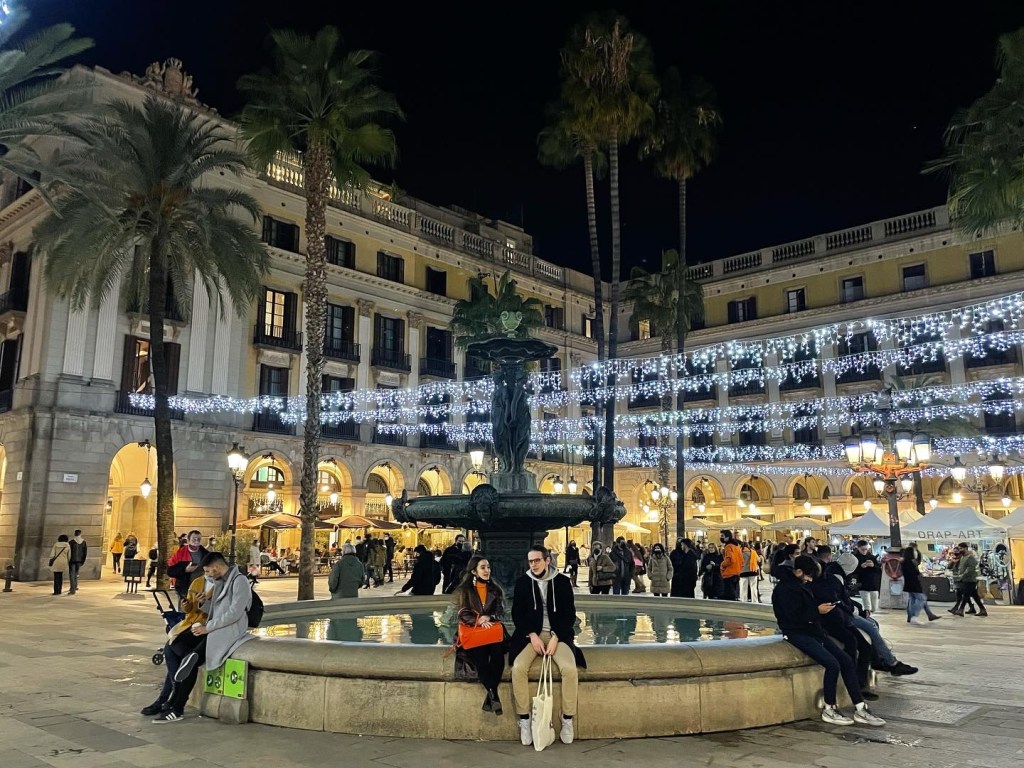
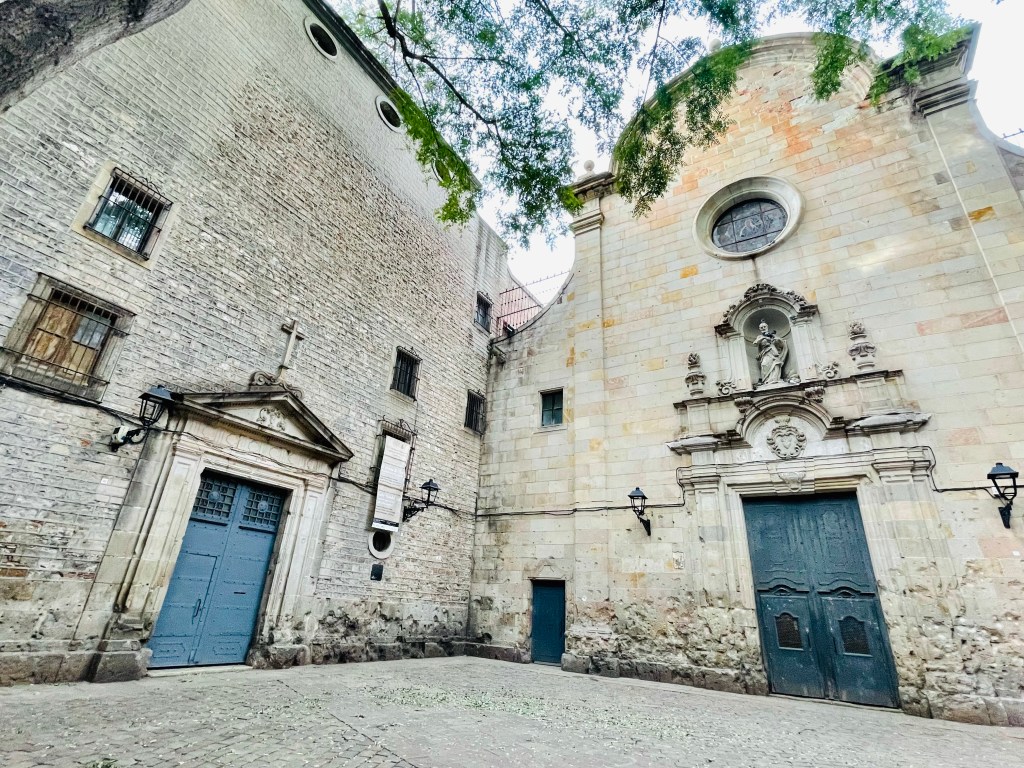
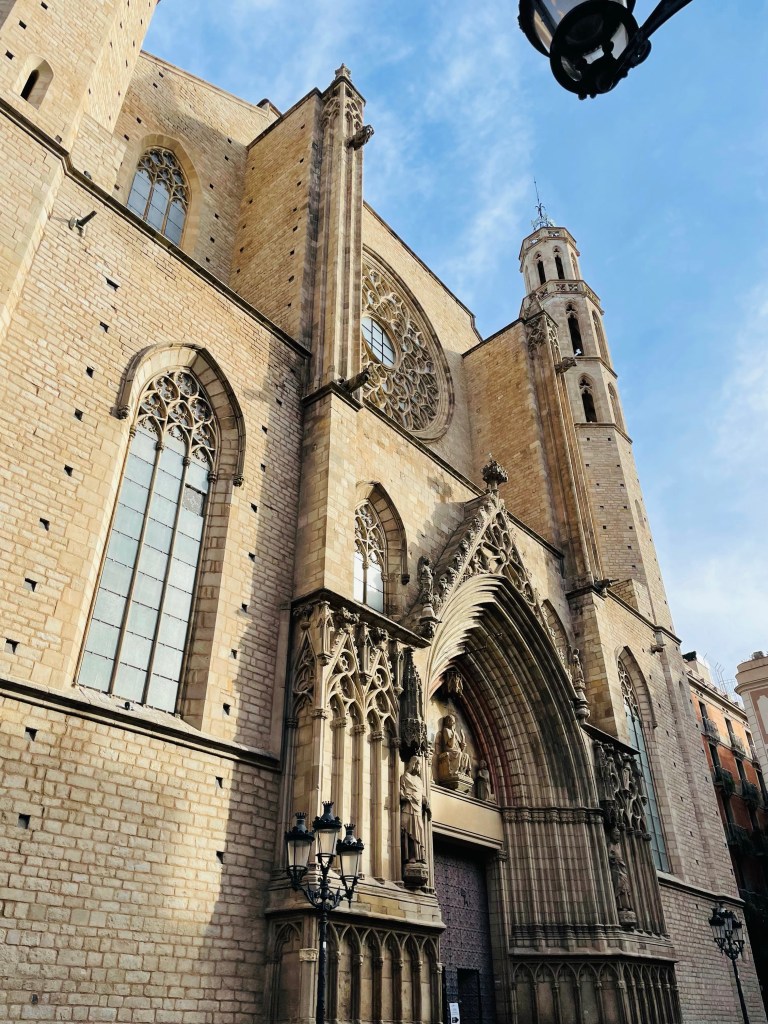
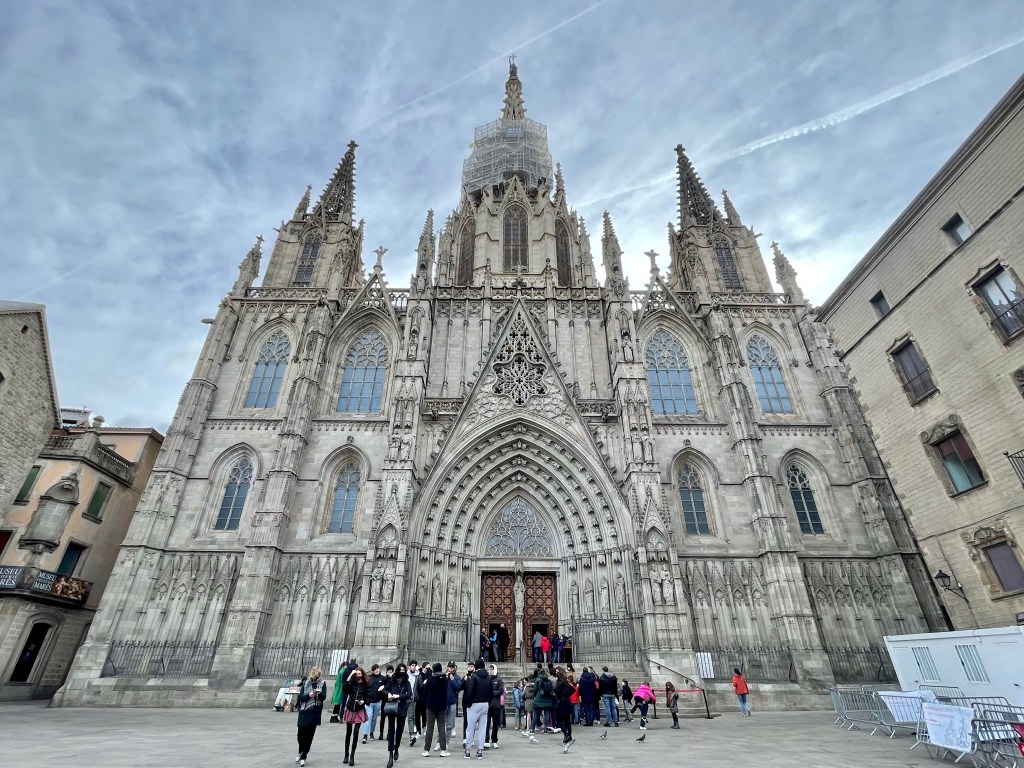
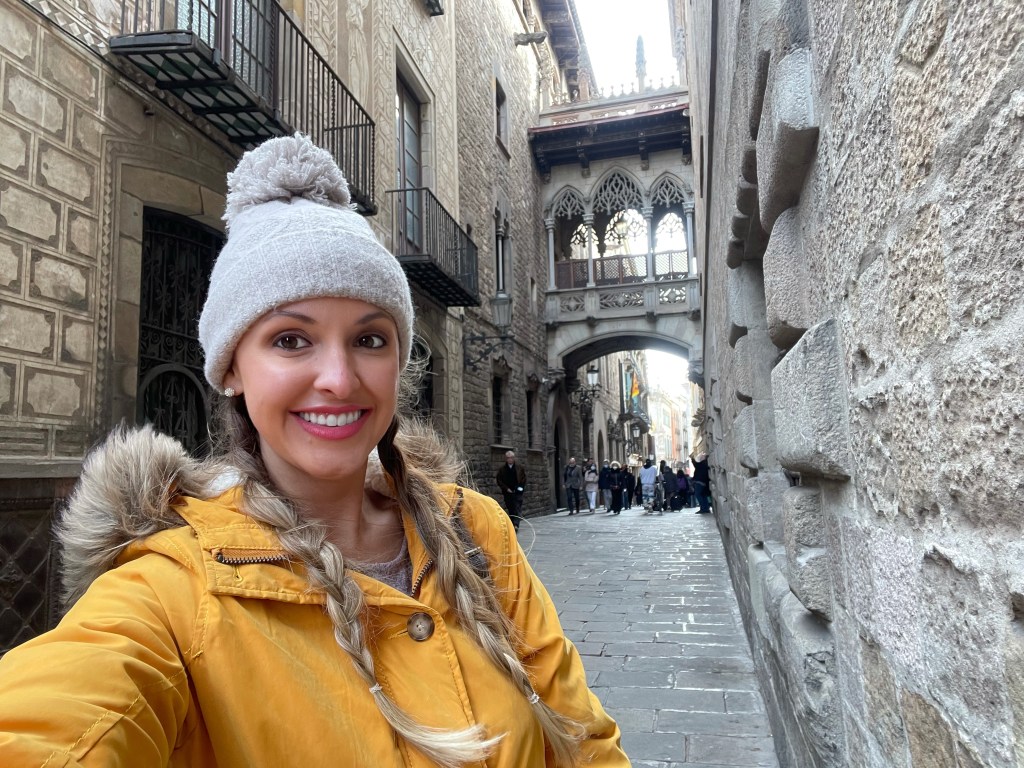
I definitely picked the correct location of the town to stay in, and I highly suggest others do the same. The Gothic Quarter (Barri Gotic) is the oldest part of the city, and has the most notable landmarks/attractions within it, or directly near it. The streets are mostly stone and closed off to cars. There is a lovely mixture of medieval landmarks and specialty shops and nice restaurants in this area of Barcelona. Some places to see while you are here include: the Barcelona Cathedral, Church of Santa Maria del Pi, St. James square featuring the Palau de la Generalitat de Catalunya and the City Hall, Placa de Sant Flip Neri, Placa Reial, Pont del Bisbe, and the Basilica de la Merce. The Museum Picasso is located just around here as well. A lot of fun can be found in exploring the streets of the Gothic Quarter!



La Rambla
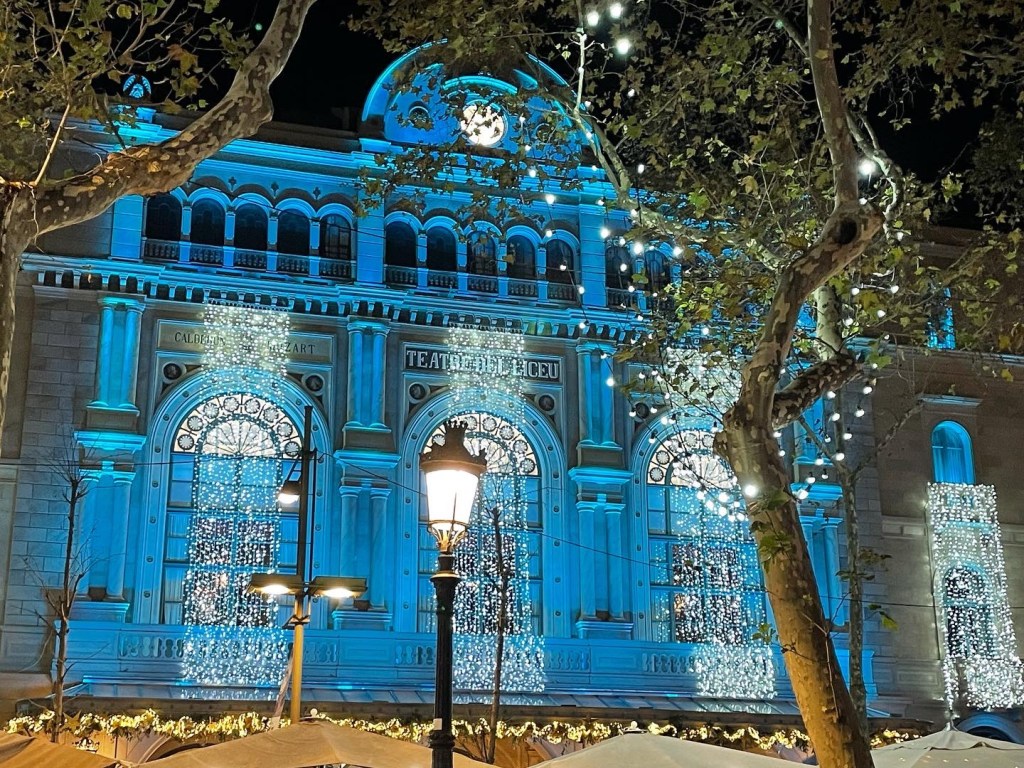
La Rambla is the most well-known street in Barcelona. It was built in 1776, following the contours of the old walls. It became a meeting place for people. Along La Rambla before, you could find tons of flower and newspaper stands. Today, it is a very lively center, and many restaurants and tourists shops can be found up and down this street. The opera house, the Gran Teatre del Liceu and Boqueria Market are found here.


The Palace of Catalan Music
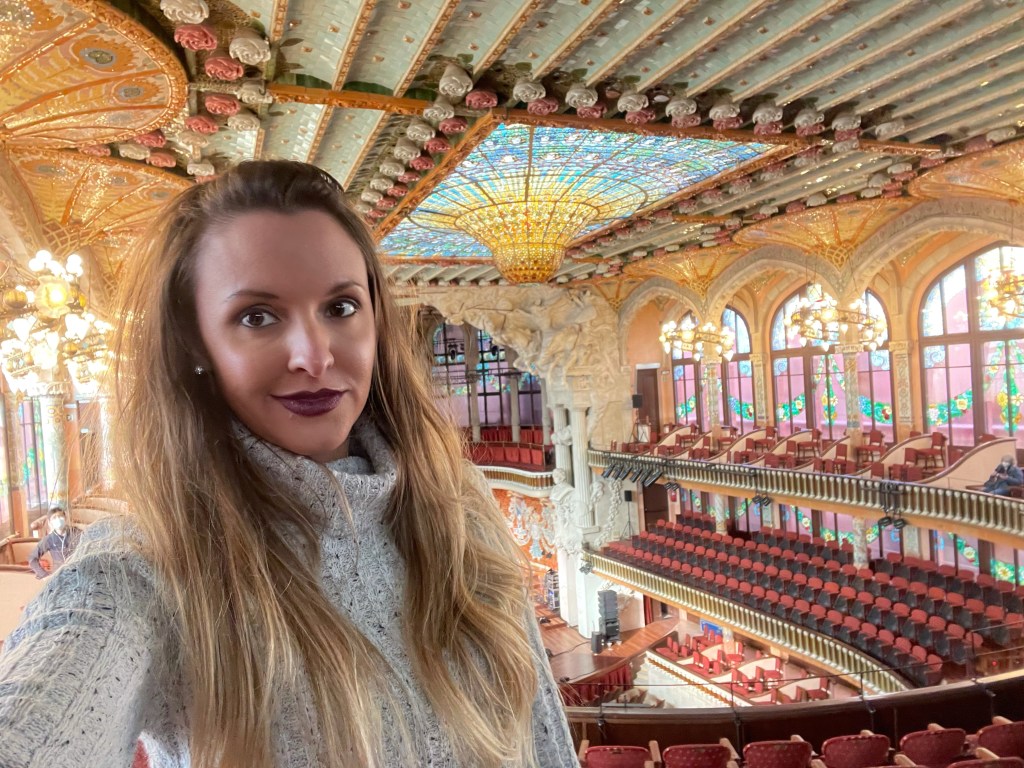
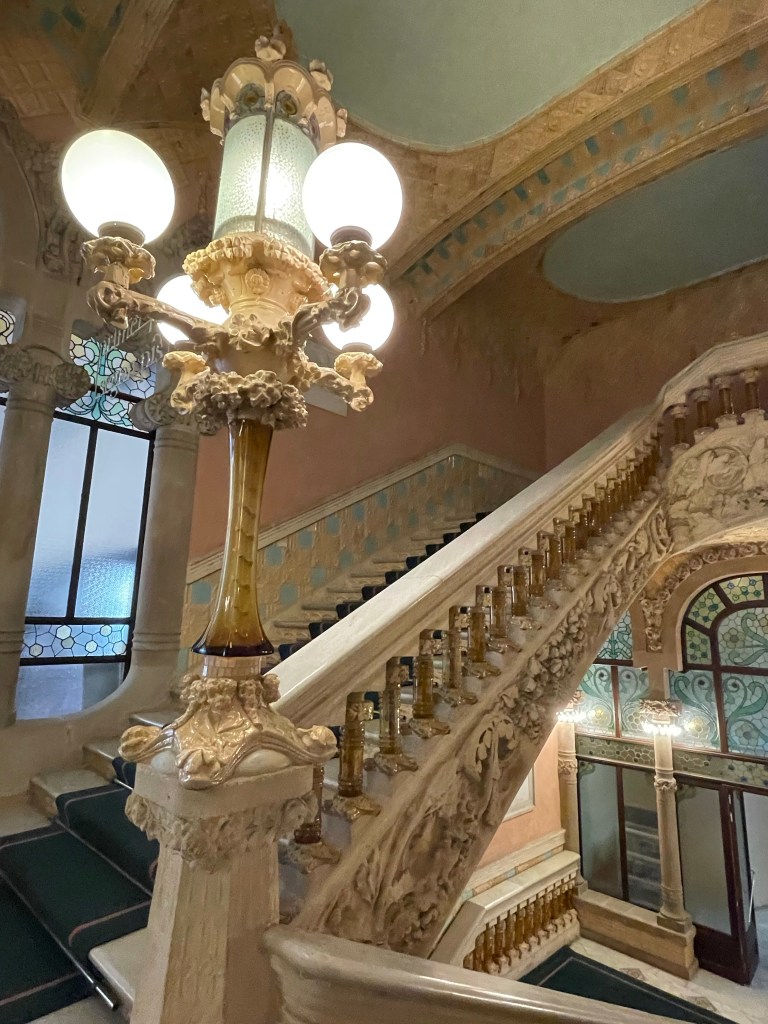
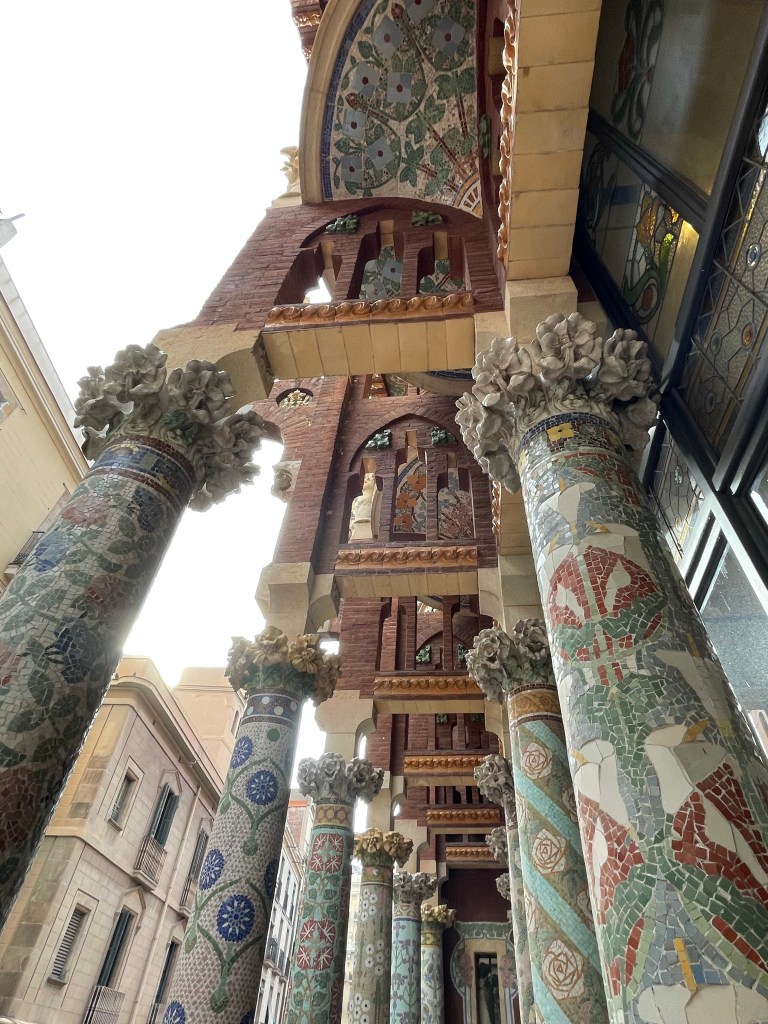
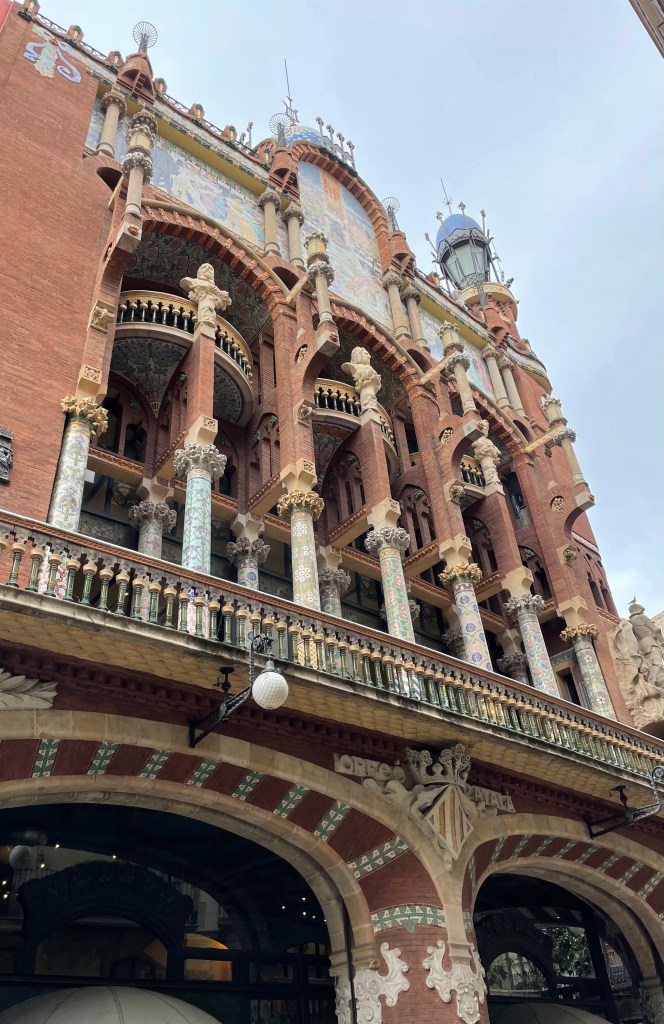
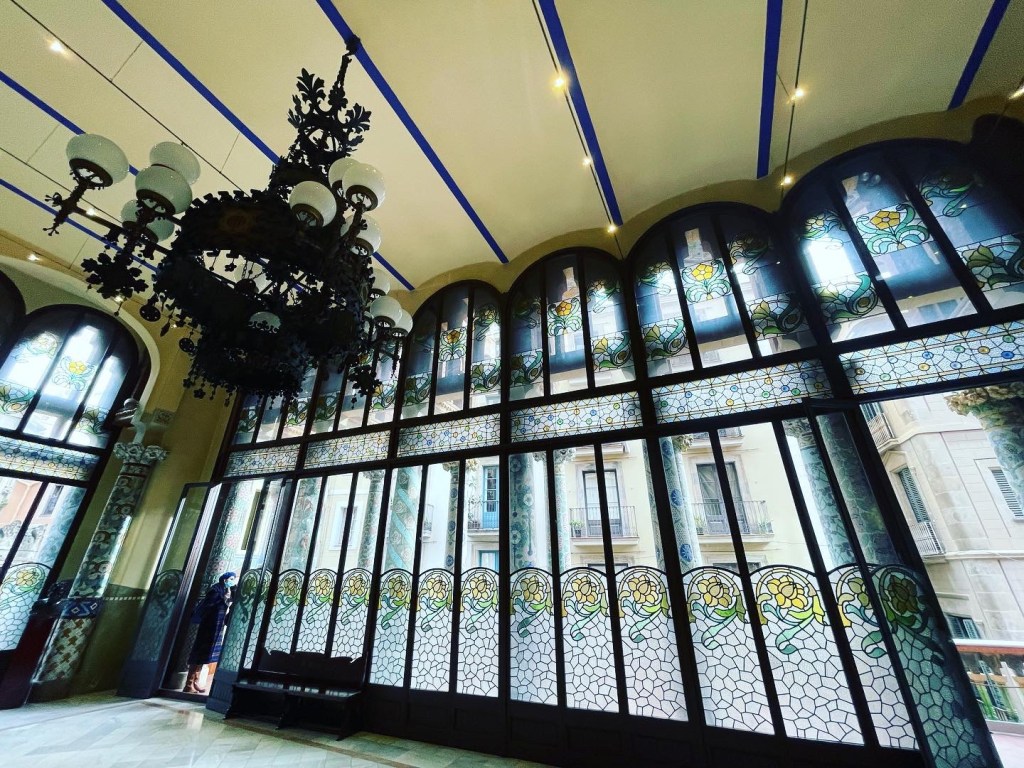
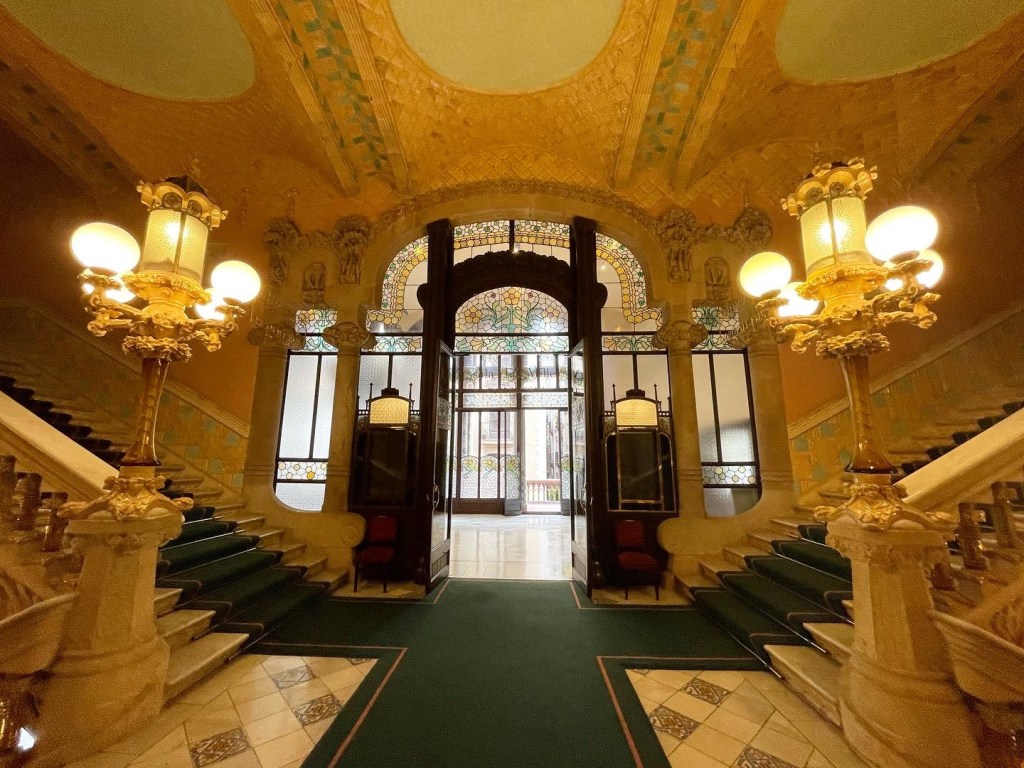
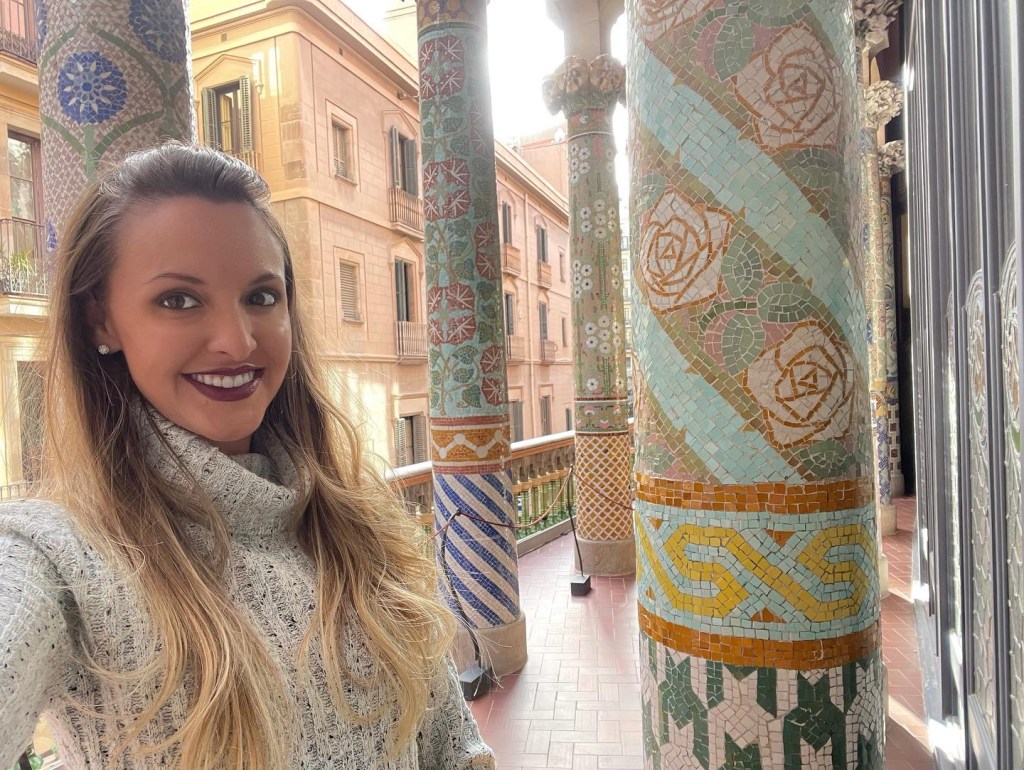
This is yet another amazing work of architecture, and one of Barcelona’s concert venues. It was designed by Lluís Domènech i Montaner, and constructed in the early 1900’s. Montaner wanted a venue that would work during the day, so he had the idea for the skylight. 2,000 roses are on the ceiling as part of the stone garden. They are a symbol of the legend of the patron saint of Catalonia, San Jordi, or as we know him, Saint George. The columns open up like palm trees and have peacocks at the top of them. All the chandeliers lean inwards, towards the skylight, like sunflowers to the sun. There are tributes to Wagner, Bach, and Mozart throughout. Admission was 12 euros for a self-guided audio tour that you access through QR code on your phone. The palace itself is not big, but is grand to see, and another great place to snap some pics (the tiled mosaic balcony screams “Spain!”). I spent around an hour here.


La Barceloneta
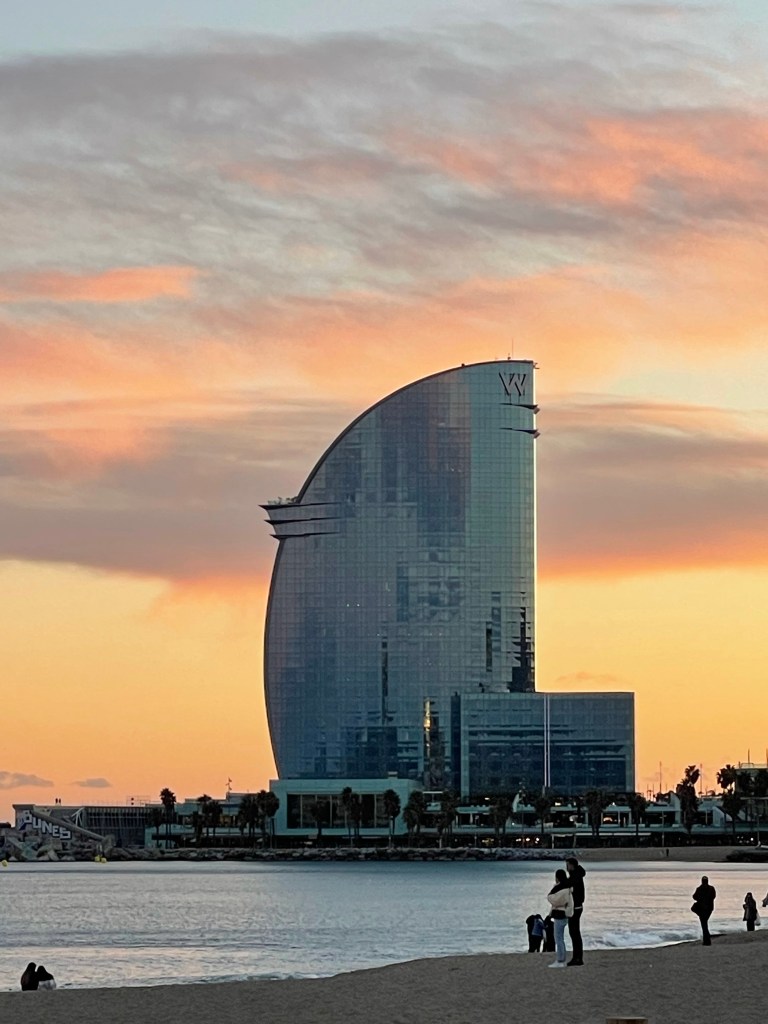
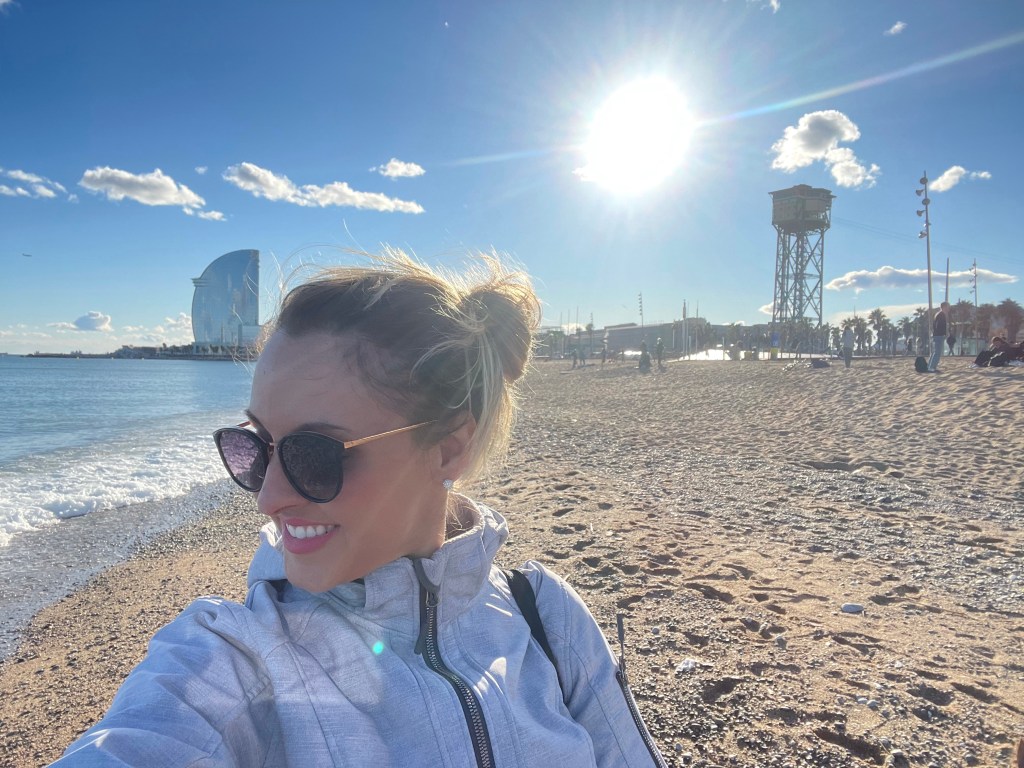
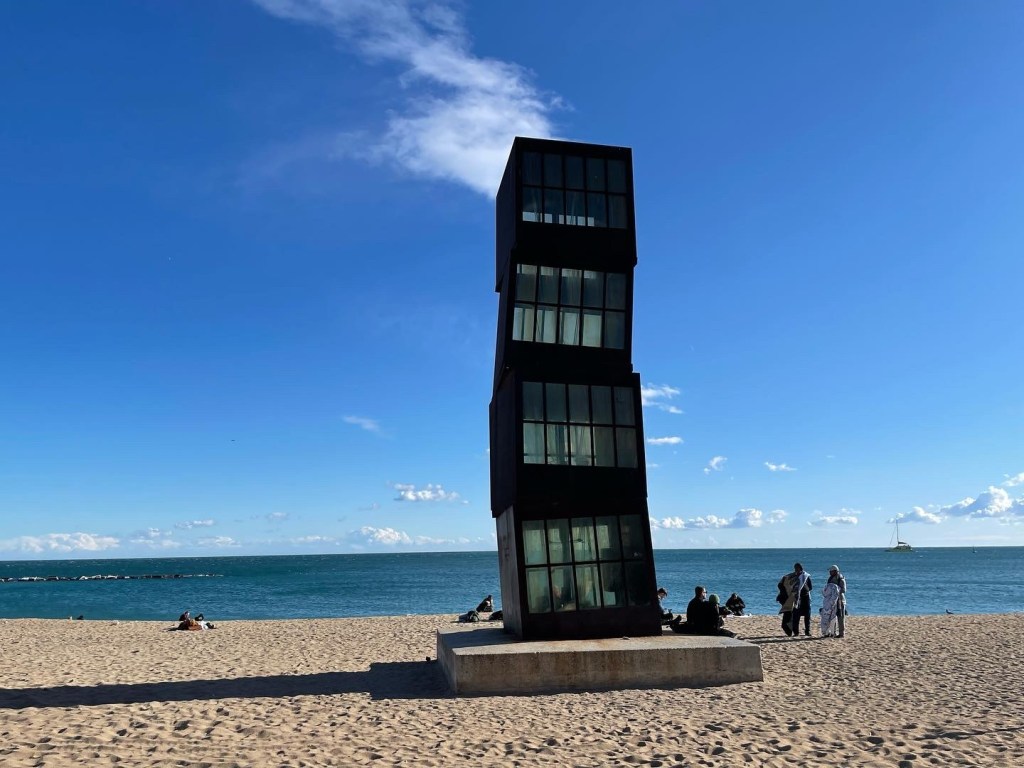
Barcelona is an urban city upon the shore, which is a nice mix for vacation. I dedicated one of my days to visiting a couple of Barcelona’s beaches, to take in the view, get away from the hustle and bustle of the city, and eat some good seafood. I went to Playa de la Barceloneta, which seems to be the beach that is consistently voted as Barcelona’s #1 beach spot. It took me a short 20 minutes by bus from Liceu station. It is in between the iconic shoreline landmark, the beautiful sun-reflecting W Hotel, and the Port Olímpic, used for the sailing events of the 1992 Olympics. Even on a mid 50’s December day, the beach still had a good number of visitors. The water was vibrant, and the sand was thankfully not annoying or sticky. There were a number of restaurants to the side of the boardwalk to visit. I ended up eating fried baby squid and seafood paella at Restorante Voramor, which does not have a direct ocean view but is still right beside of the beach. Along the boardwalk, you can also find unique sculptures. Make sure you take a towel to sit on the beach. You’ll have a few people come up and try to sell you blankets or mojitos. Most of them easy went away with a, “No thank you. I’m not interested.” Thankfully they were not super pushy like some other vendors at other beaches I’d been to. The day was an enjoyable day.


Montjuïc Hill
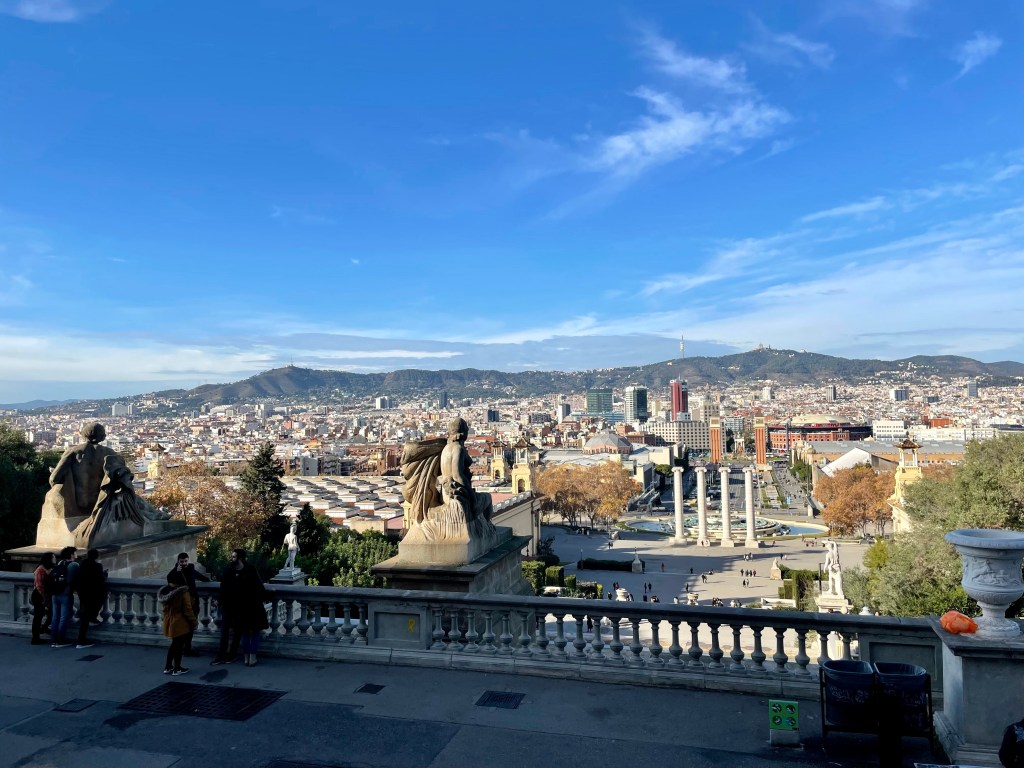
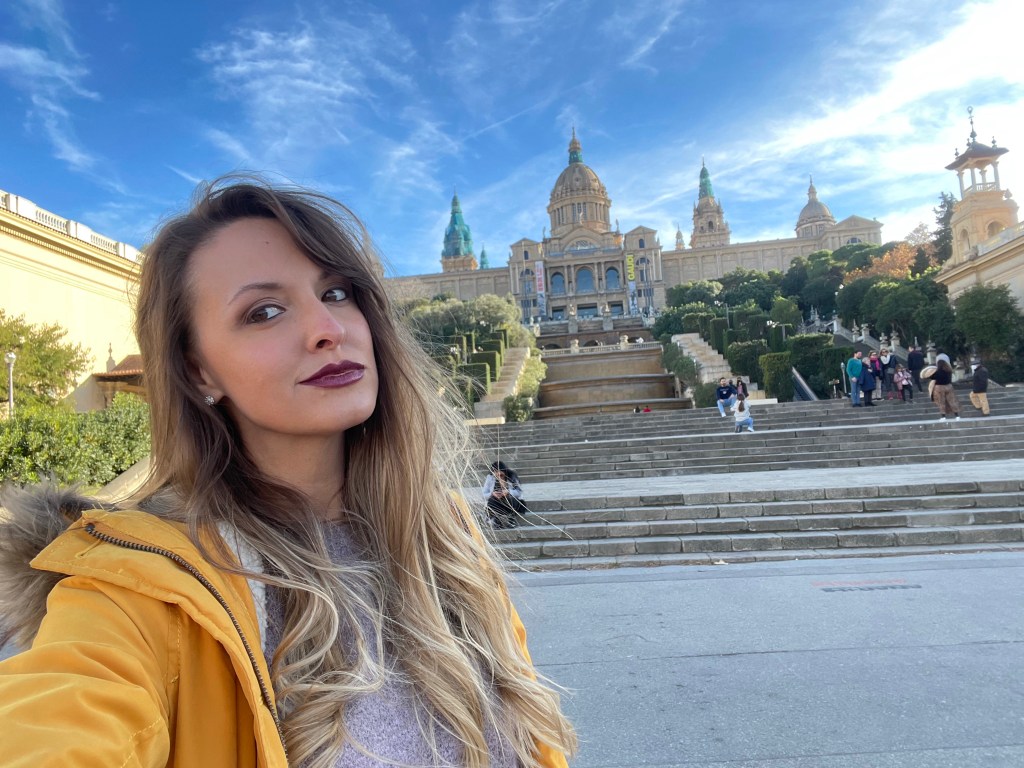
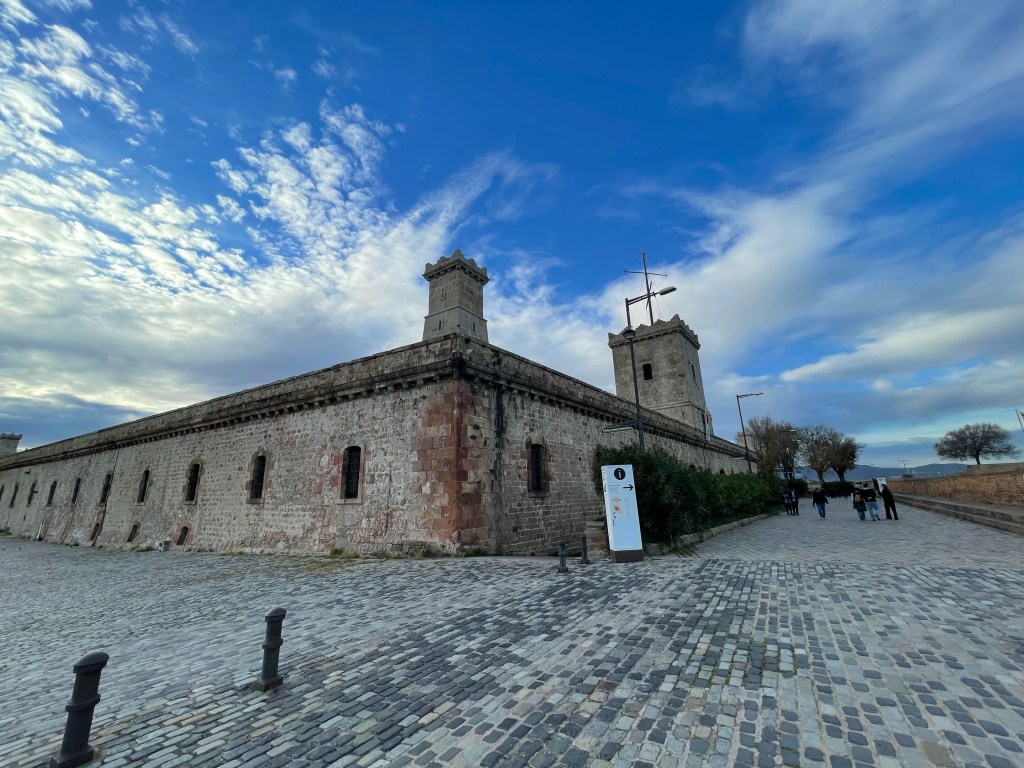
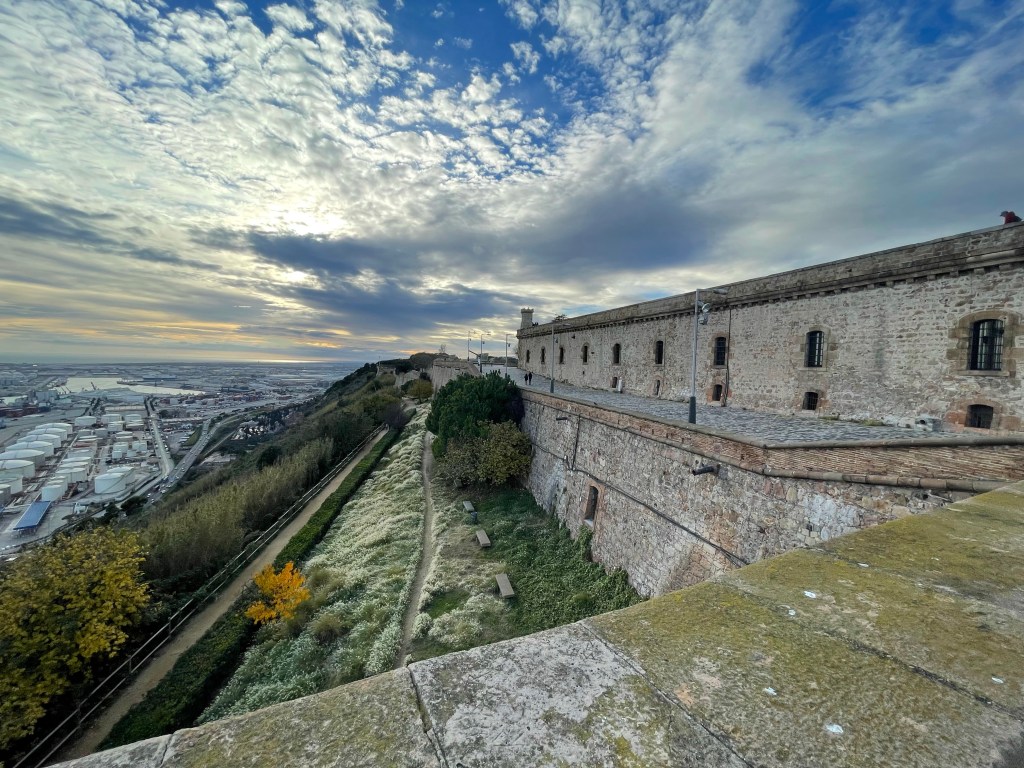
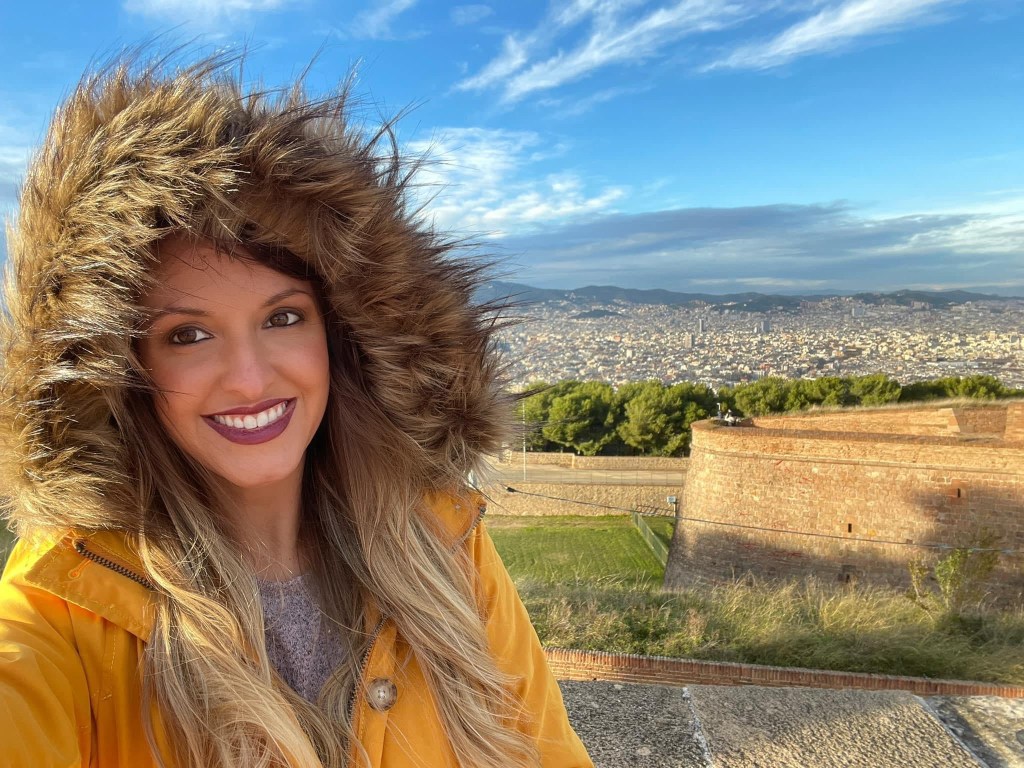
A little bit harder to reach than the other attractions, Montjuïc Hill should not be missed. On Montjuïc Hill, there’s the National Art Museum of Catalonia, the Magic Fountain, Montjuïc Castle, Anella Olimpica, multiple gardens, and the Montjuïc Cemetery. I went here hoping to make it to 3 places: The National Art Museum and its magic fountain), the Montjuïc Castle, and the cemetery, but realized the cemetery was over an hour away when I was there regardless of means of transport, so unfortunately I had to skip out on that. (If you are interested in the cemetery, I would suggest dedicating a whole half day to a day to the cemetery alone. Also be mindful of the time it is open daily.) The views from the top of the National Art Museum are phenomenal. I went here solely for the views, as I got a late start to the day and wanted to freely explore, though I do hear the museum is really nice as well, and has a balcony on top that showcases the view. The magic fountain, which is a large fountain, is directly in front of the National Art Museum, and is of interest. Then I made my way to Castell de Montjuïc. At only 5 euros, this might have been the best money I spent the whole trip. While the fort itself is not especially large, or has a lot of interest, the 360 degree views of Barcelona from this place with so much history cannot be missed. You can take the funicular up to the Castle, or you can be like me and just take the bus. Walking would be a task since it is so long and uphill.


EXPERIENCES
Architecture Tour
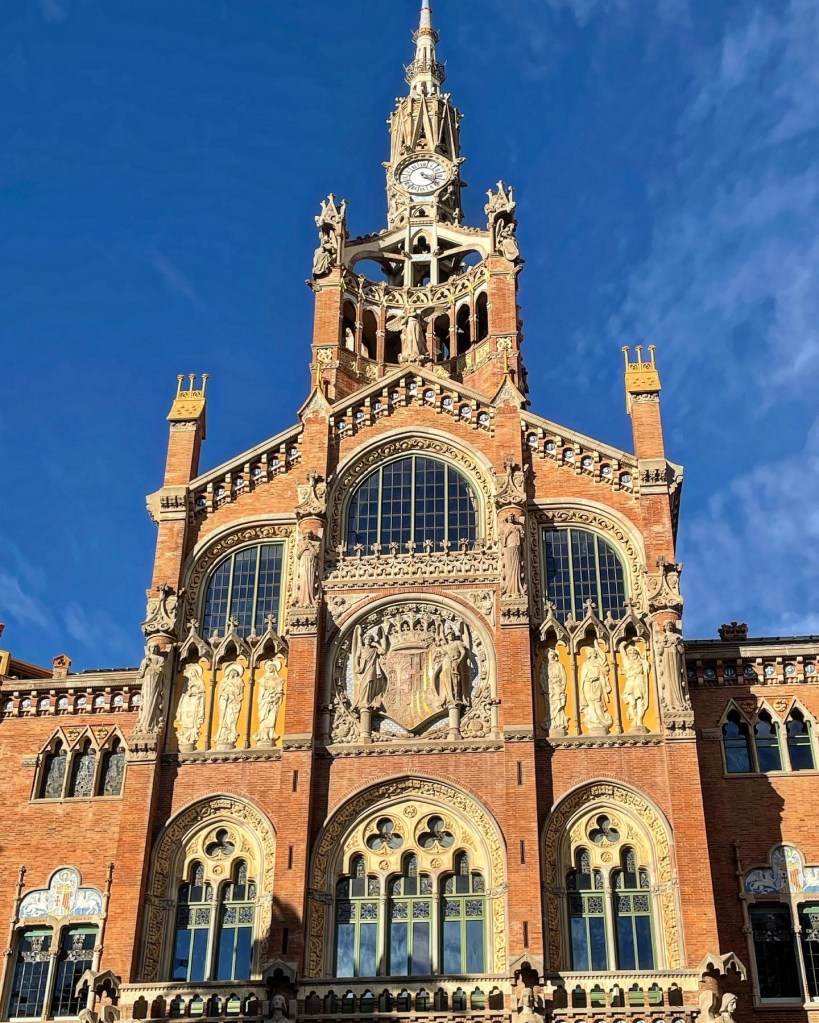
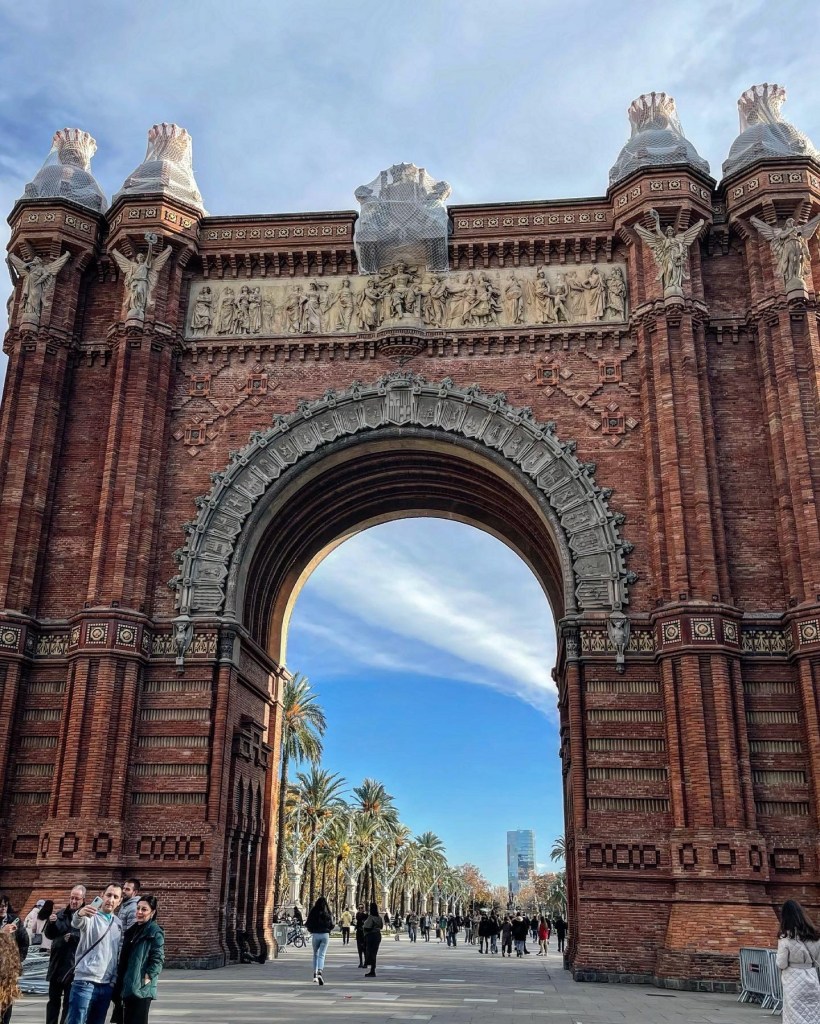
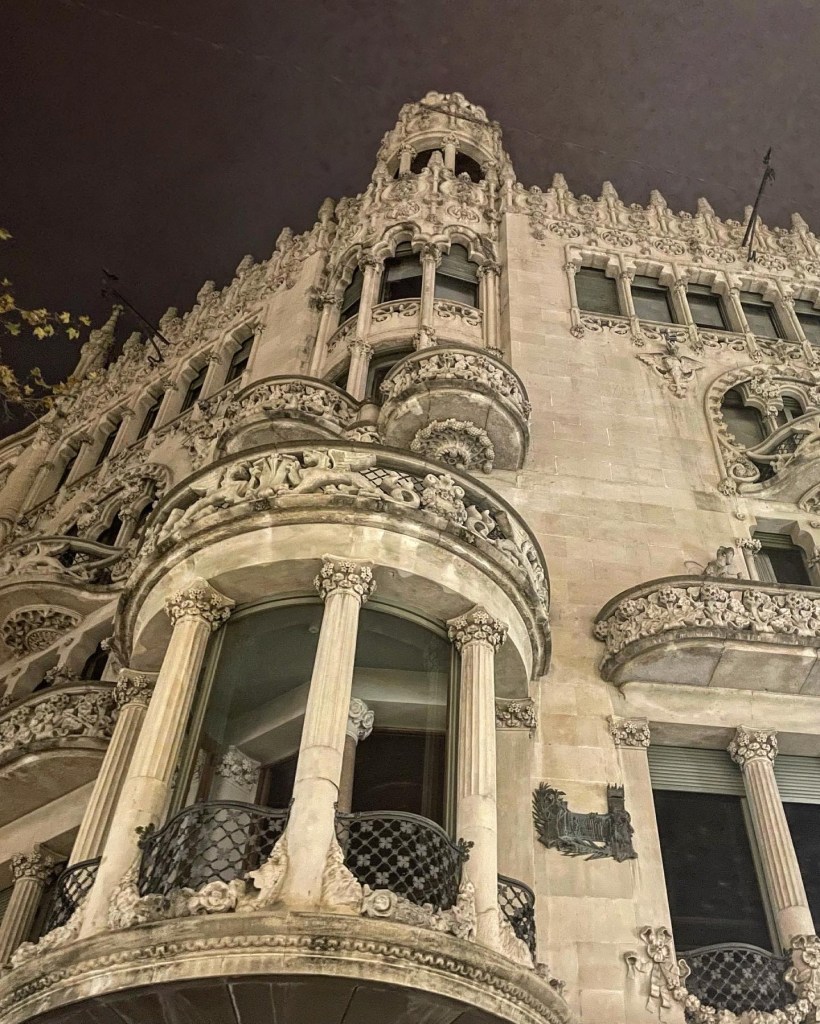
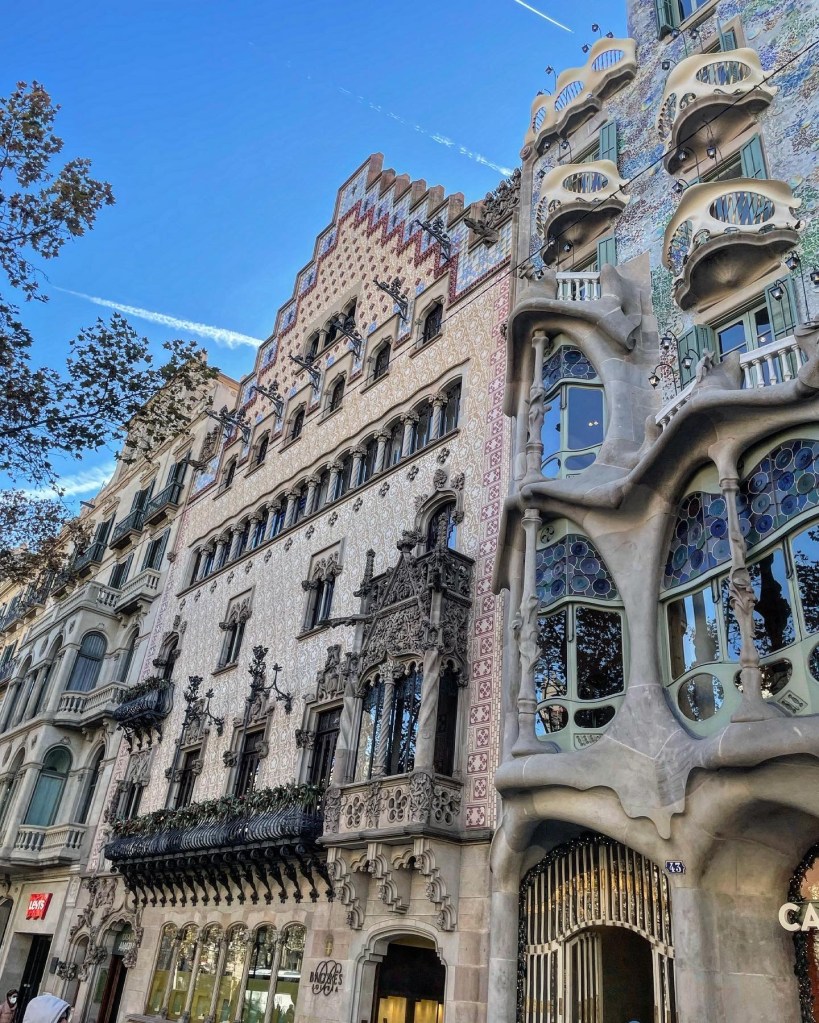
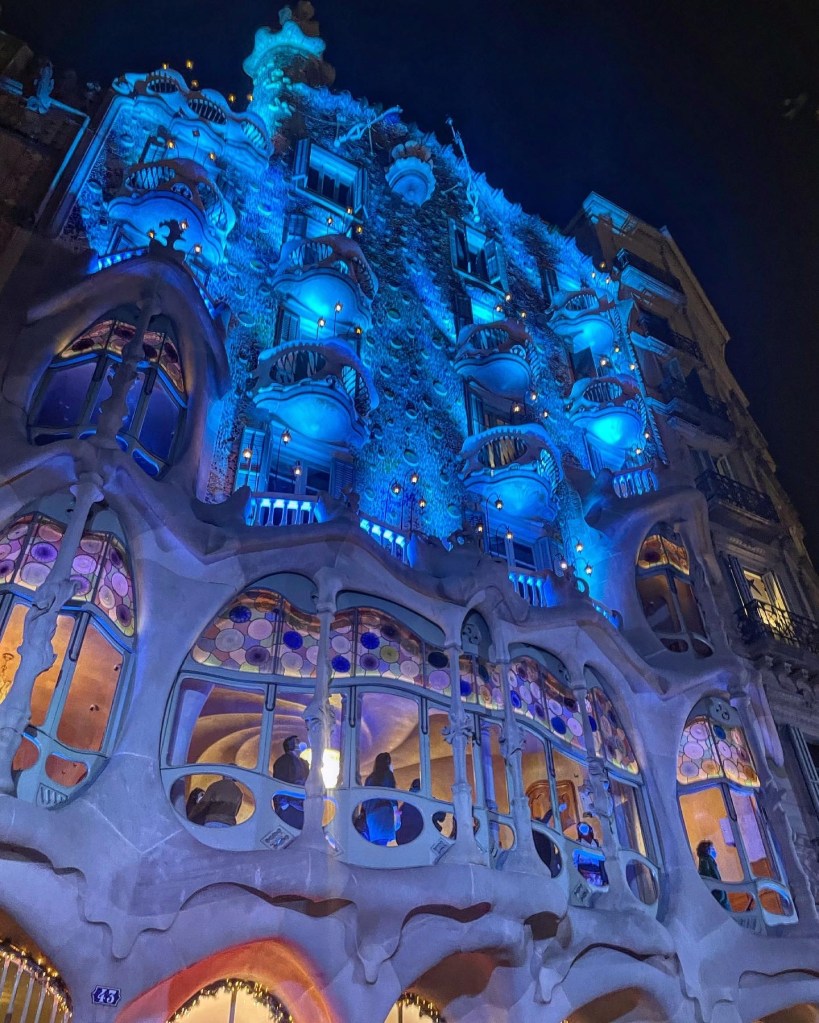
Barcelona has architecture like I’ve never seen before. I took a three hour tour to see some of the city’s marvels, and learned the stories behind their making. Barcelona’s architecture can be attributed to 3 main architects: Antoni Gaudi, Lluís Domènech i Montaner, and Josep Puig i Cadafalch. It is easy to Google a list of each architect and their famous buildings in Barcelona if you want to take a self-guided tour. Some of the buildings are open to be viewed from the inside, while others are closed to the public. I highly recommend at least stopping by and seeing these works of art if you don’t take a tour. I personally really liked the experience of the tour because you learn so many things that the building itself can’t tell you, and it trains your eye to pay attention to details and the meanings behind each small addition.
Flamenco Dancing
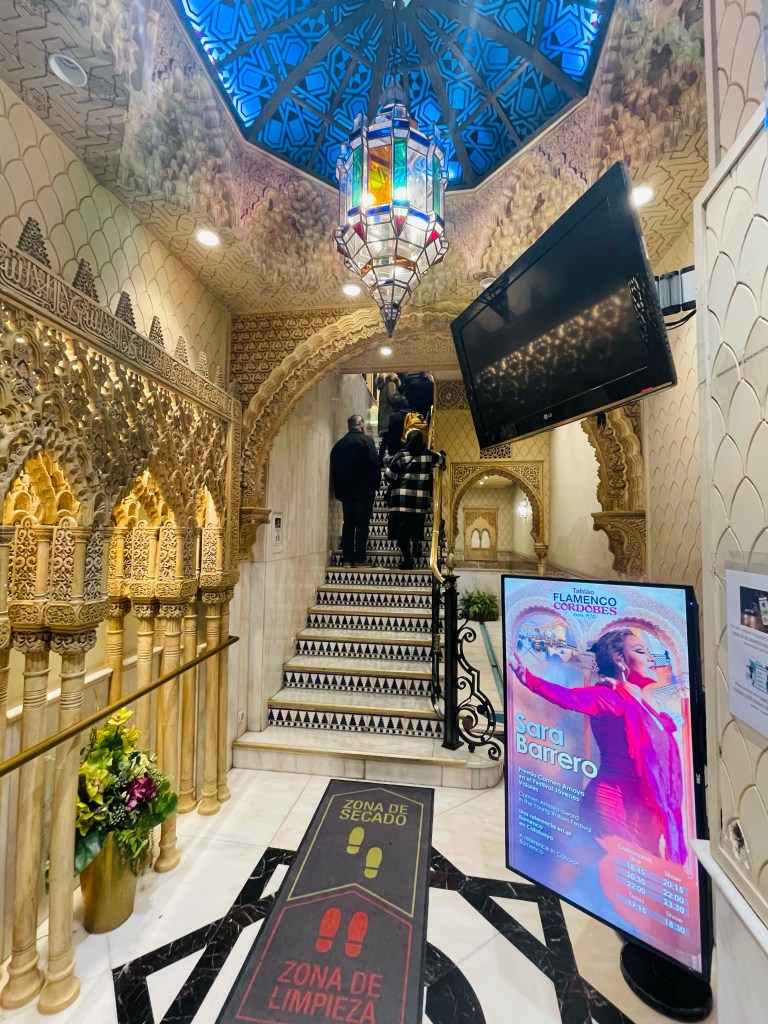
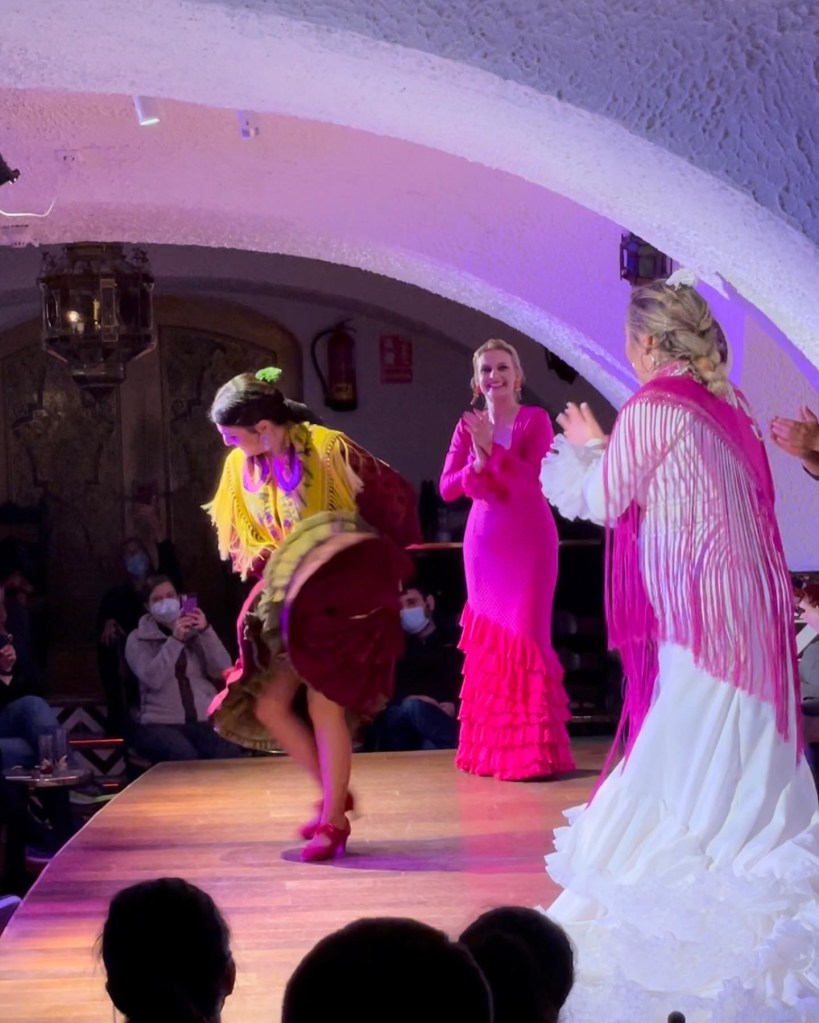
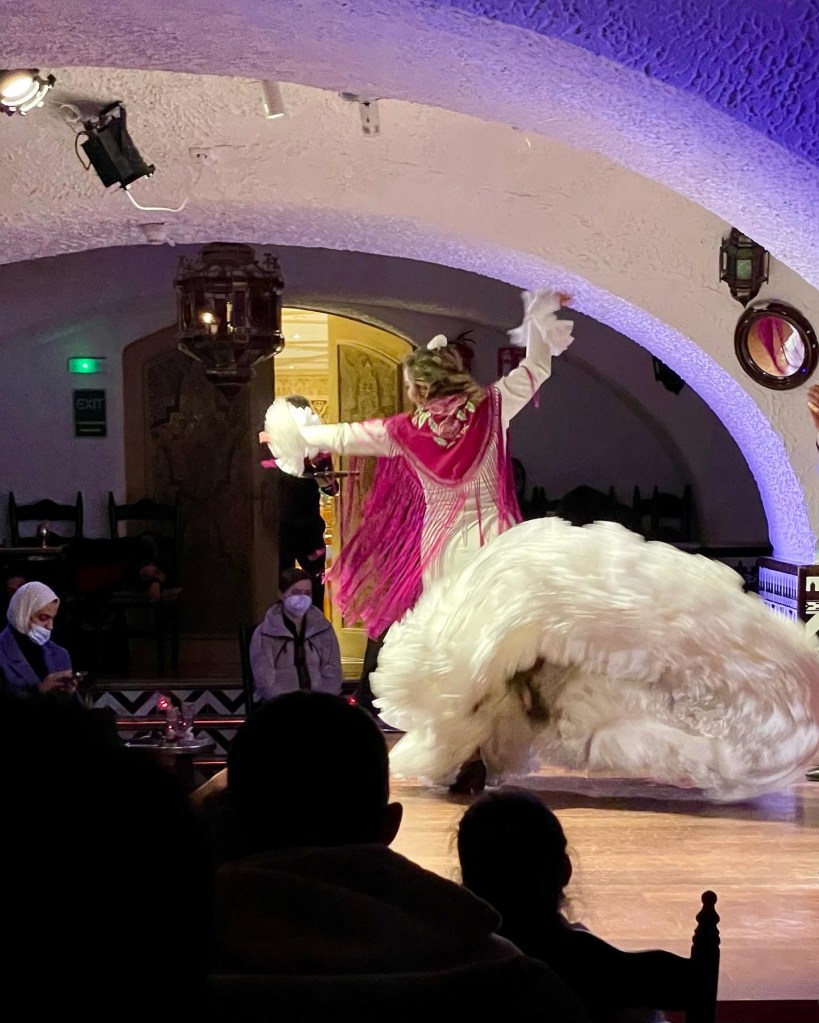
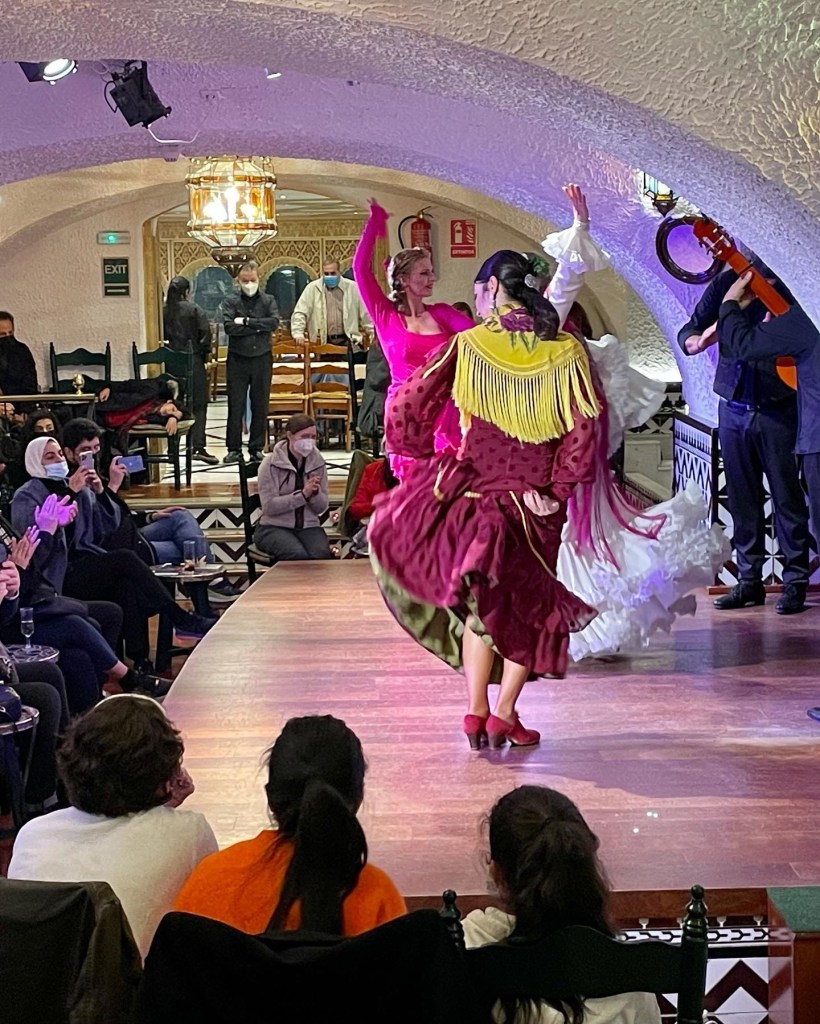
Flamenco is a form of dancing that originated in Southern Spain. The music is based on historical Spanish literature, and the dancers improvise the dances based on the rhythms. I love to soak up the culture of the places I visit, so I went to watch a show at Tablao Flamenco Cordobes in La Rambla. It is an intimate venue that was perfect for the performance. The show lasted over an hour and it included 1 drink (Sangria- yum!). True artistry, and a lot of fun to watch.
Opera
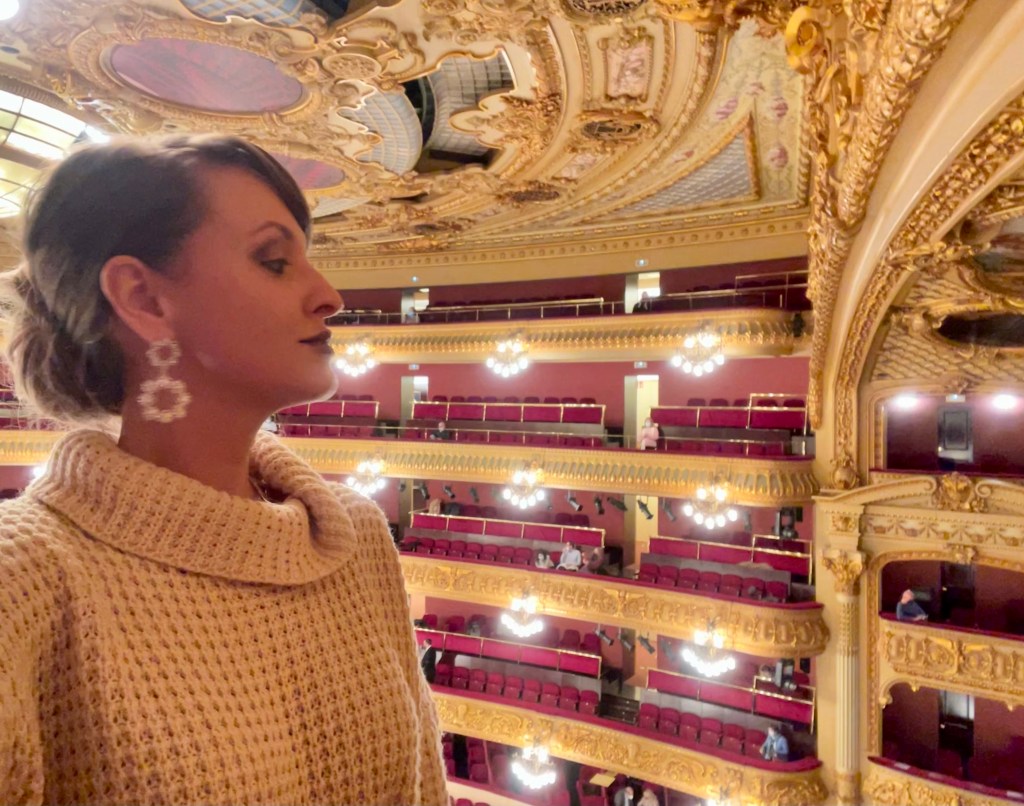
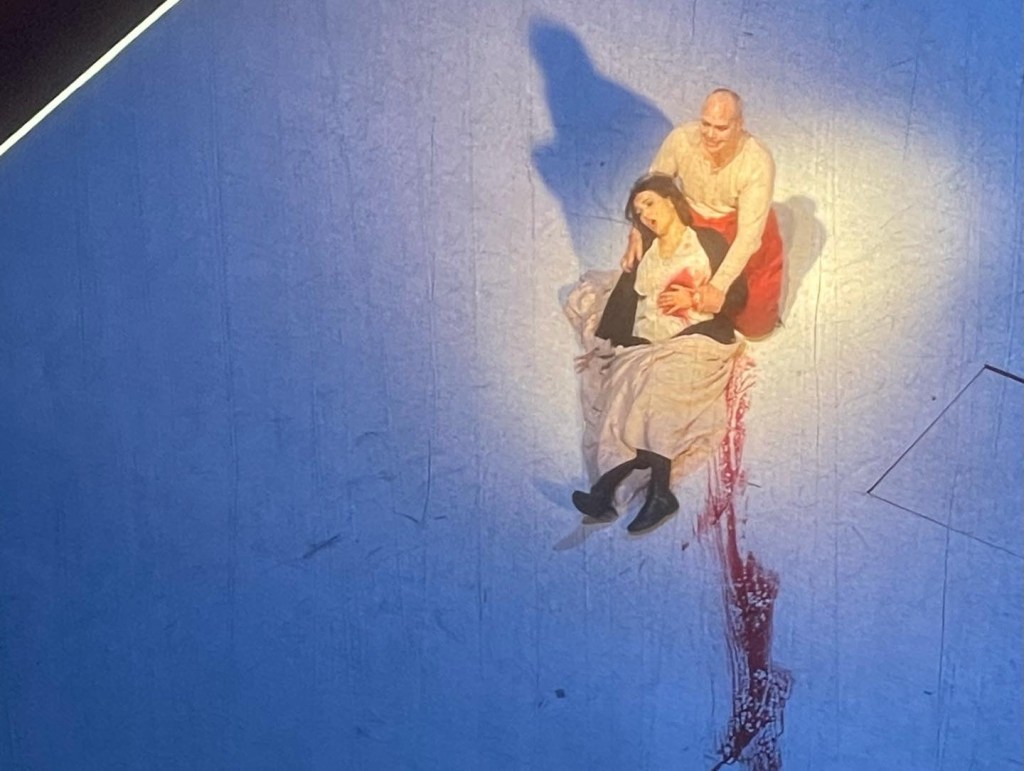
When I learned there was an opera house only 3 minutes away from my hotel, I knew I had to go. Gran Teatre Del Liceu was so beautiful, and so big! Rigoletto was on show there while I was there, which I’d never seen before. The performers were very talented. The program can be accessed via QR code on your phone for different languages. I like how the theatre has ticket availability for so many different price ranges. I purchased the cheapest ticket in the nosebleeds (around 15 euro) , but lucked up when there was no one else around me, and moved to a seat with much better visibility. While this was not my favorite opera experience, I always love the opera, and the theater itself was a treat to be in.


Market Tour
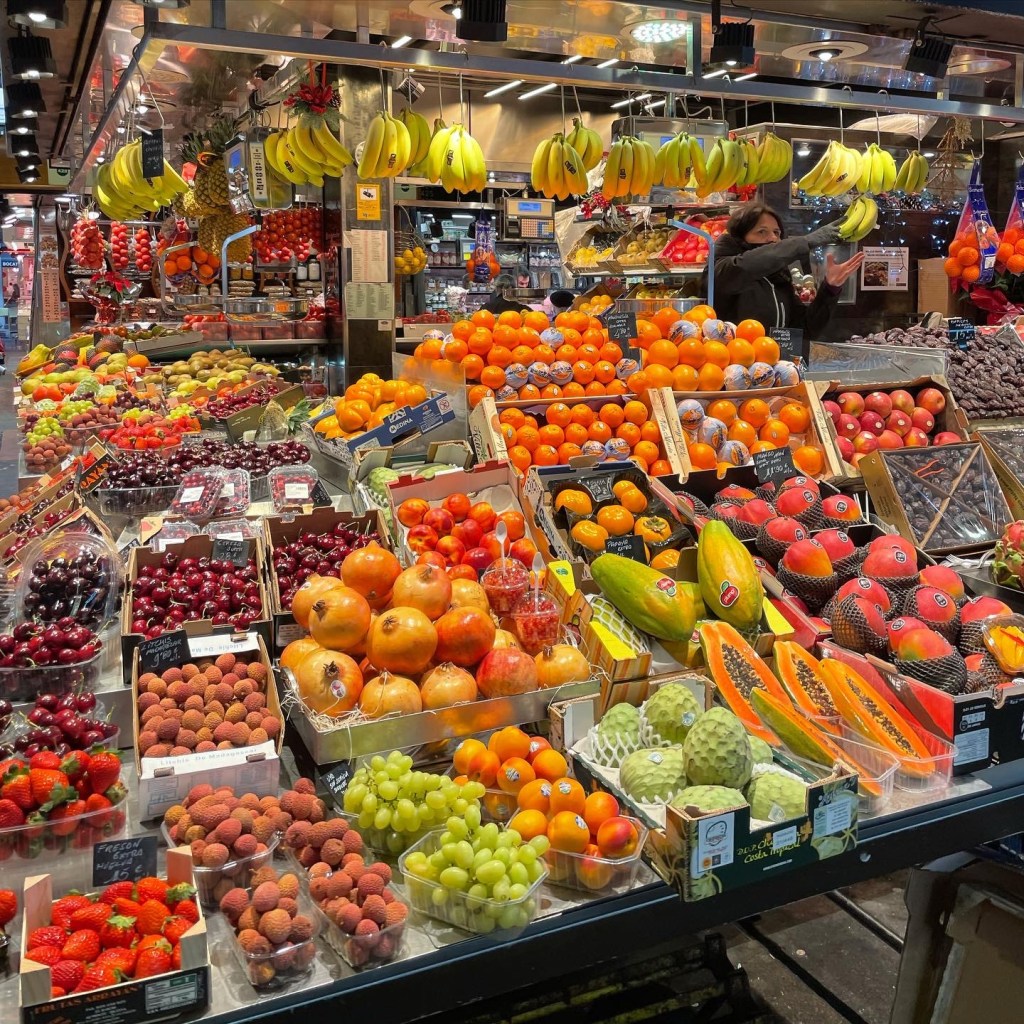
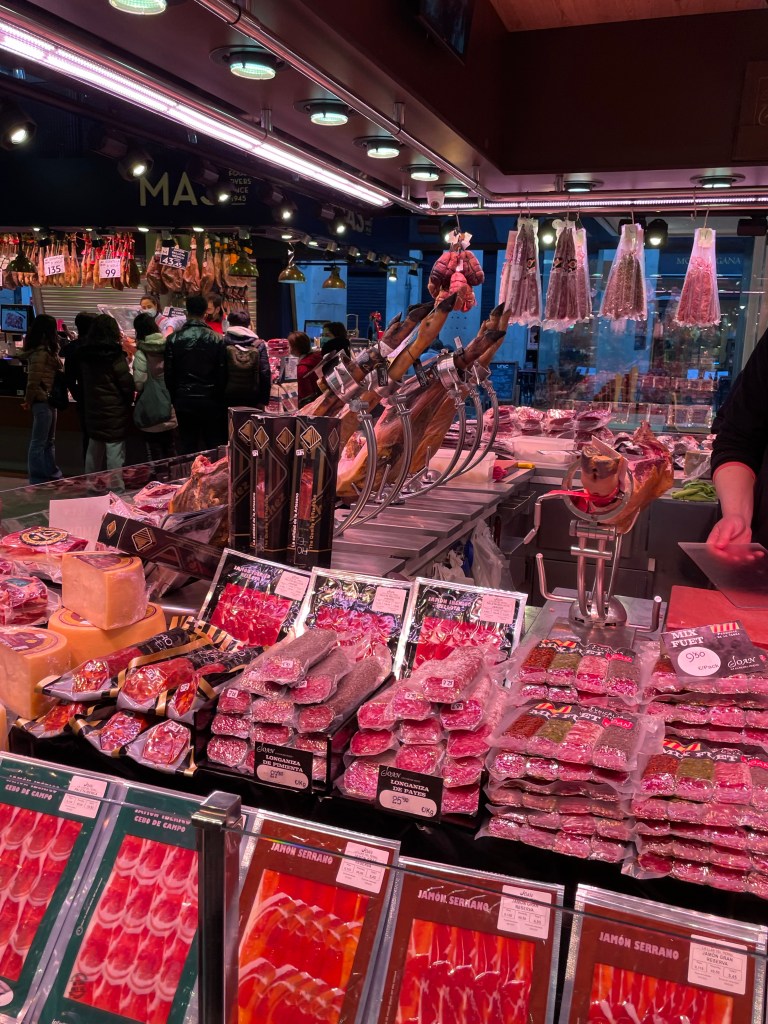
Barcelona is home to many vibrant markets. I found it fun to go and look at all the different food that was offered. The Iberian ham seems to be a big thing here, as well as a variety of fresh seafood. On the tour we went to 3 different food markets as well as one Christmas market. The 3 popular markets in Barcelona (all located near the Gothic District) are:
Boqueria Market – this market’s grand iron entrance makes it one of the most impressive landmarks in the city.
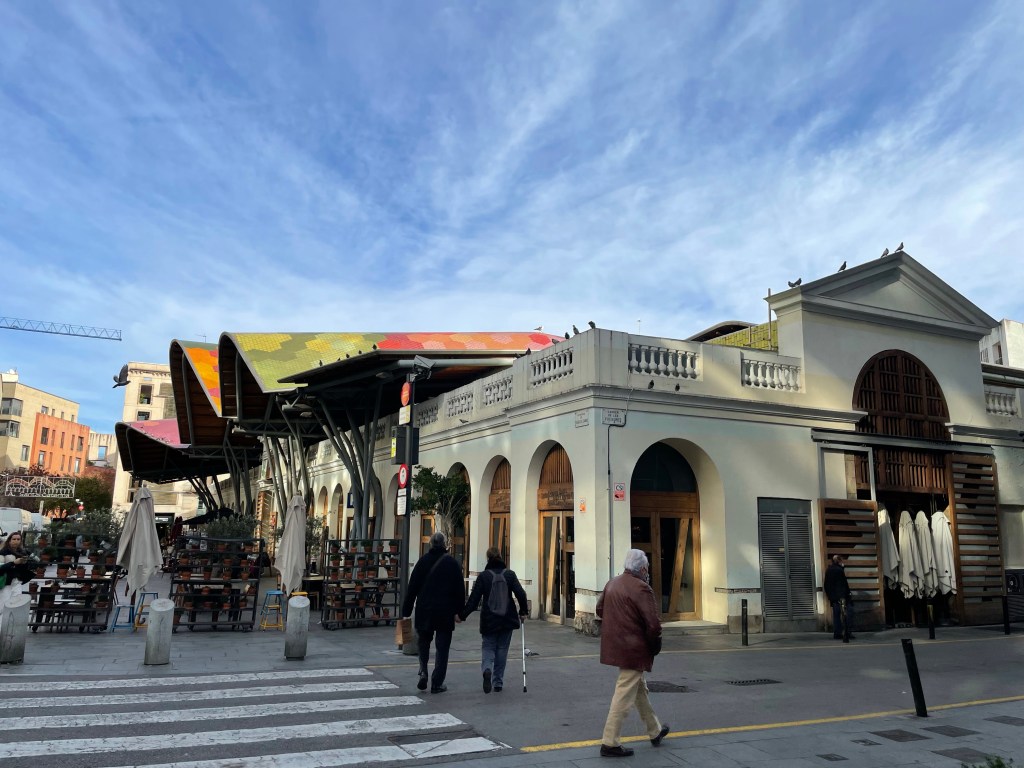
Mercat de Santa Caterina – with its wavy and colorful roof, this market is pretty unique!
Mercat de El Born – not only is this market the largest covered square in Europe, but it’s also home to some fascinating excavated ruins.



Know before you go
Transportation
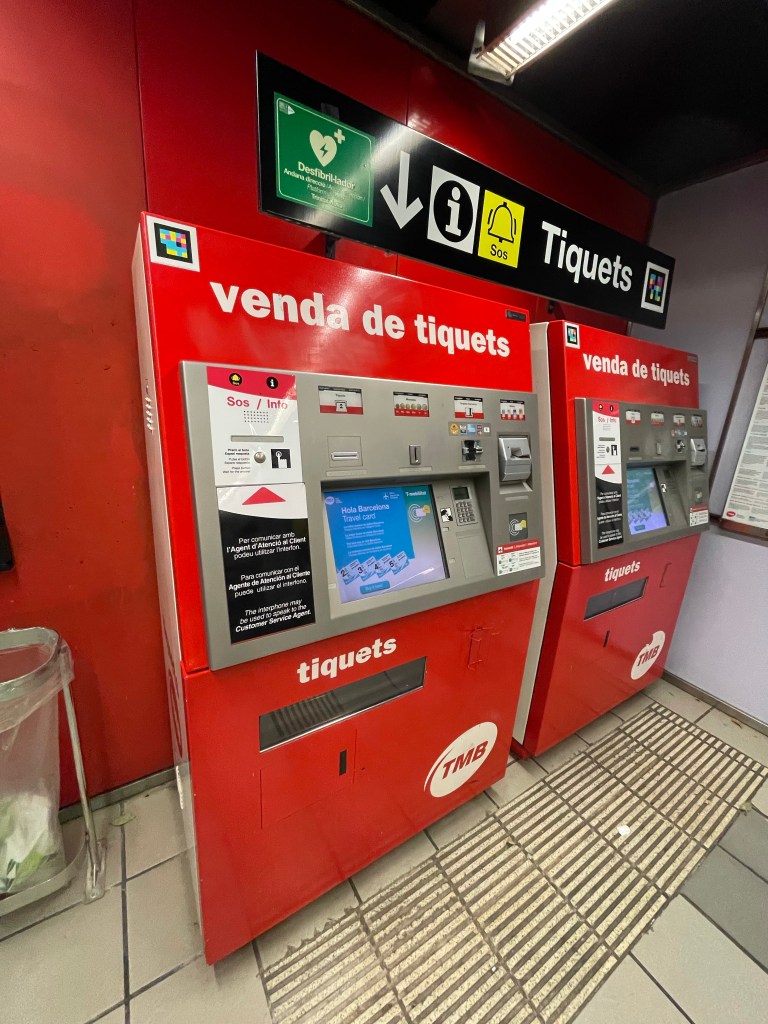
I took a cab from the airport to my hotel (~30 minute drive). I used Cabify, which is used in Spain and many other Latin American countries, almost like our Uber. Barcelona previously had Uber, but due to legalities, had to stop offering services there. It was around 30 euro each way, which may be a little steep, but with so much luggage it was the best option for me. My hotel offered a taxi, but it was 50 euros each way. There are also many taxis to be found depending on where you stay that you can just flag down. I still opted not to get one as I would rather know my fare up front, but supposedly they all charge the same fees. The Barcelona Metro runs an airport train for around 10 euros, but may be hard to use with a lot of luggage. The metro appeared scary at first, but it is the easiest subway system I’ve yet to use. Thankfully you can purchase day passes at any station from these machines: I purchased a couple of 2 day passes at a time, as I knew there were days of my trip that I wouldn’t need them in between. It would have been very hard to explore Barcelona the way I wanted to without the metro. By cab it would’ve been too expensive, and by foot too far. I experienced very few shady people on the subway or bus, which also put me at ease using it as my main means of transportation.
Tipping
It’s always nice to know the local customs when receiving services, so to not be rude. Many nice restaurants will go ahead and charge a 10% commission. It will say it on the tab. (In this case, no additional tip would be needed.) It is not expected to tip, but if you feel like you’ve received great service you can tip up to 10%. In cafes or a regular restaurants, it would be seen as nice to round up to the closest euro. For instance, your meal costs 10,20. In this case, leave 11,00. The round-up method also applies to cab fares.
Where to Stay
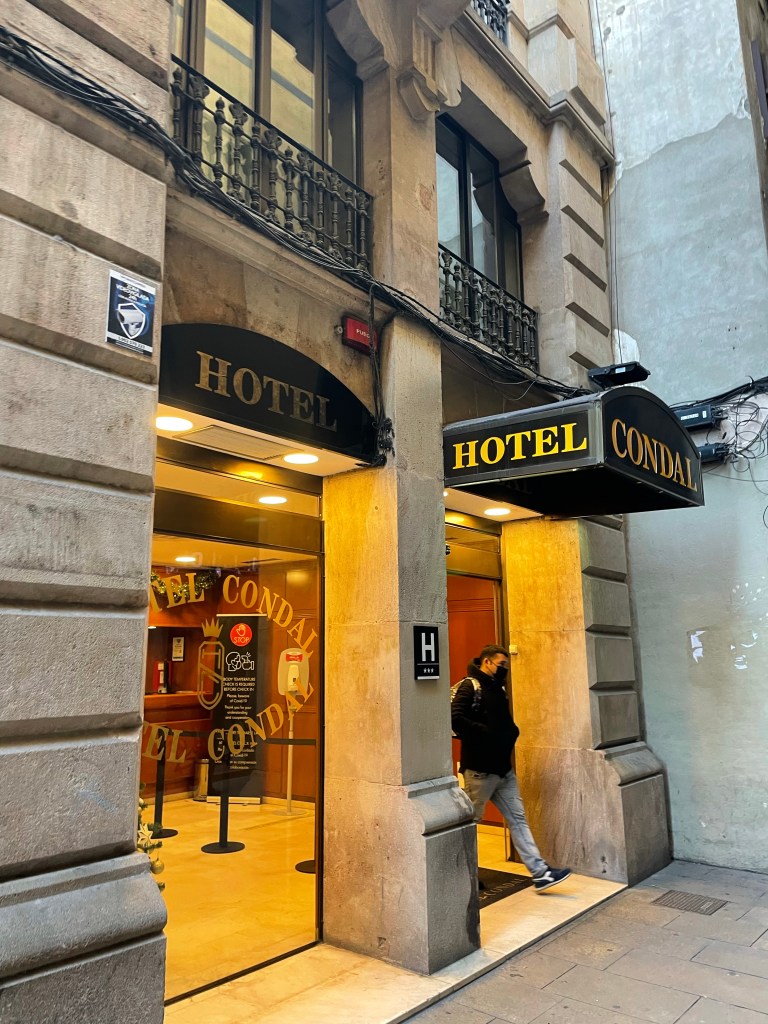
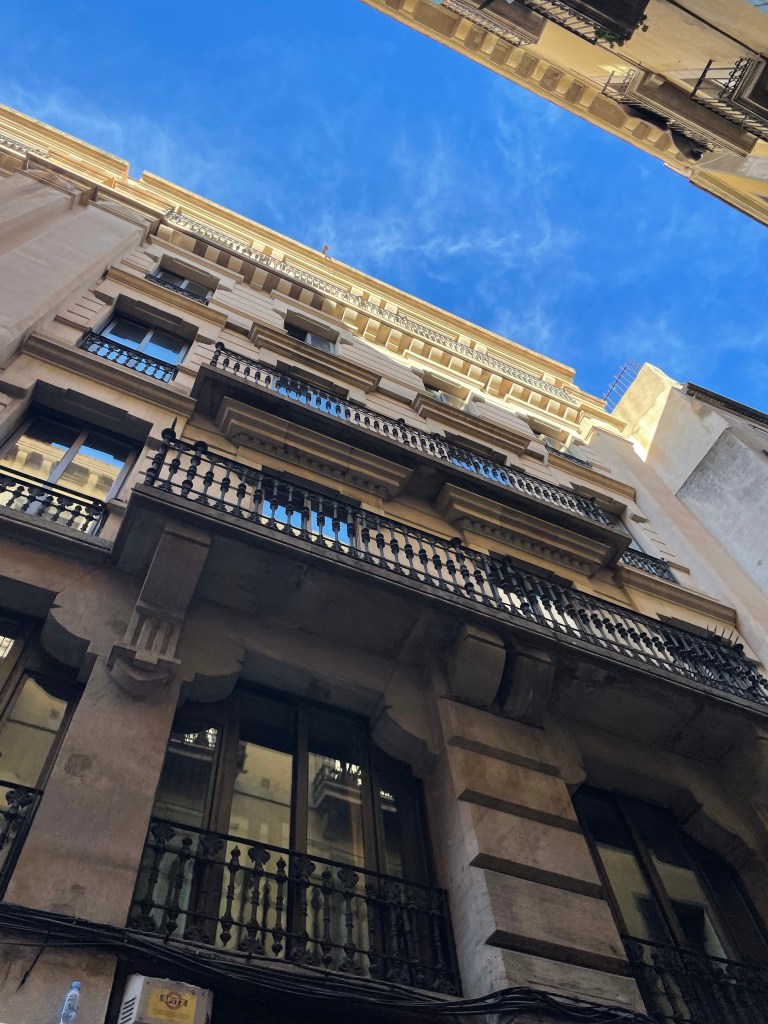
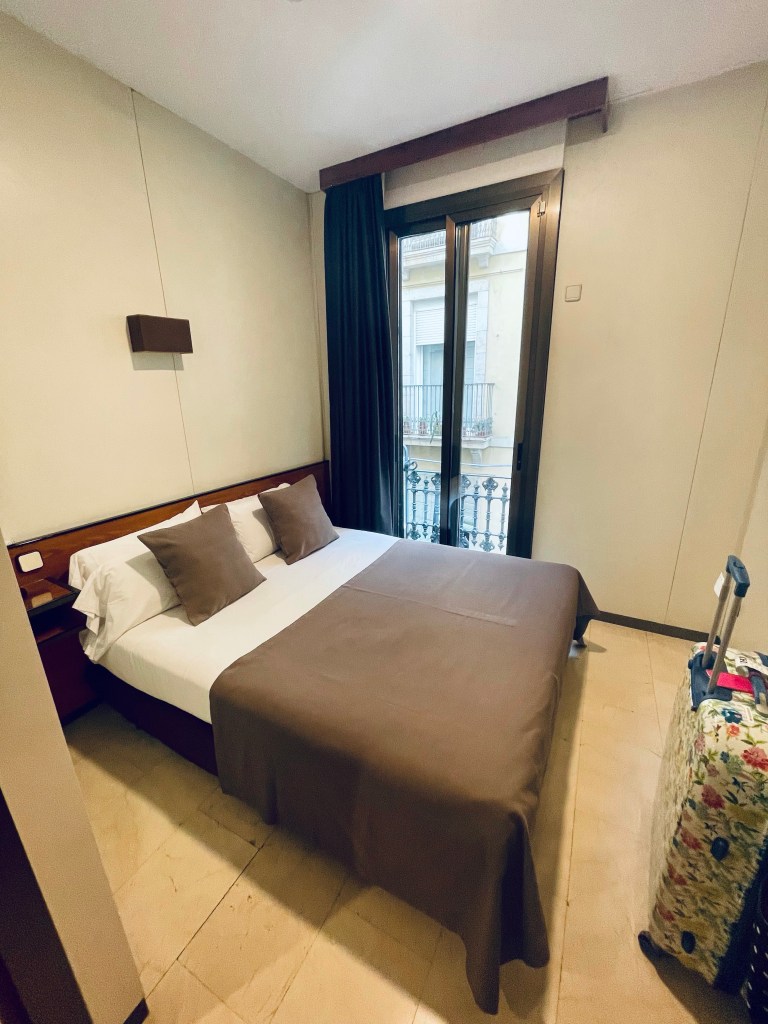
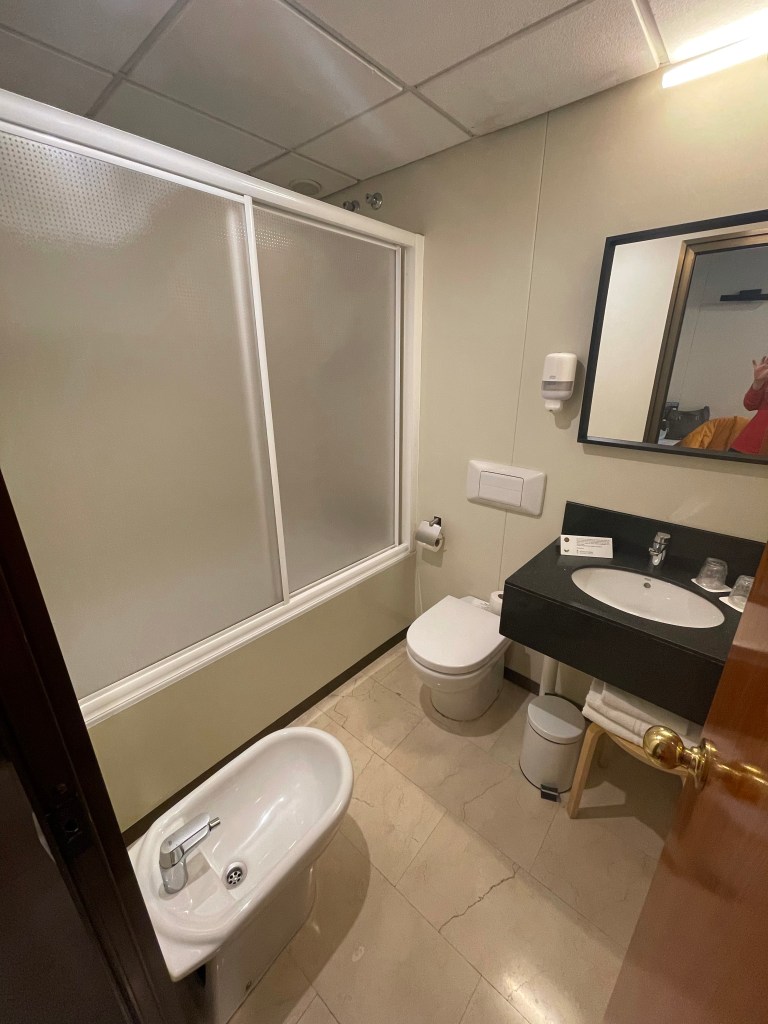
The hotel I stayed at was Hotel Condal, which was in the perfect location! It was merely steps to the metro, and off a side street of La Rambla, right as you first get into the Gothic Quarter. The hotel has been in service since 1850, and is one of the oldest hotels in the city. My room had a cute little balcony and was very clean. There was not a lot historically preserved on the inside, and the room was a little bare, but very comfortable. Hotel staff was also very nice. It was very affordable at around $50 USD/ night during the time I stayed.
Eating in Barcelona
It is so easy when traveling to want to partake in all the things that give a location its cultural identity. Food provides part of a place’s identity. While in Barcelona, I made a point to try some famous Spanish dishes at some of the best restaurants known for those dishes. As a cultural note, it is important to know that in Spain, people do not eat dinner until 9-11 pm, so lunch tends to be the biggest meal of the day (usually served between 2-3 pm). Many times, tapas (small dishes) are served during lunch to hold people over until dinner time.
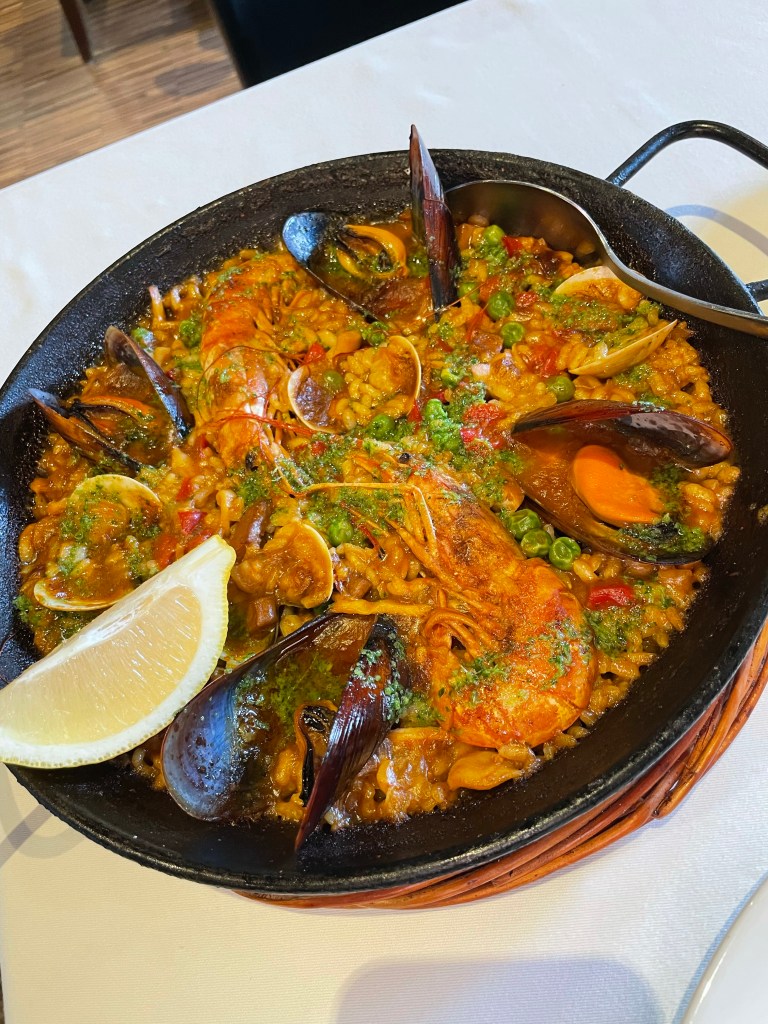
Paella– Traditional rice dish which usually features seafood or chicken, but can also be made with other meats or a combination of the two. Usually the rice contains a mxiture of herbs and vegetables that gives it a savory taste. I had the paella de marisco (seafood paella with mussels, calamari, clams, and crawfish) and the chaperones fritos (fried baby squids) at Restaurants Voramar in La Barceloneta, down by the sea. The fried baby squids were really good! The paella was fresh, but I think paella just may not be my cup of tea. I had to try it, though.
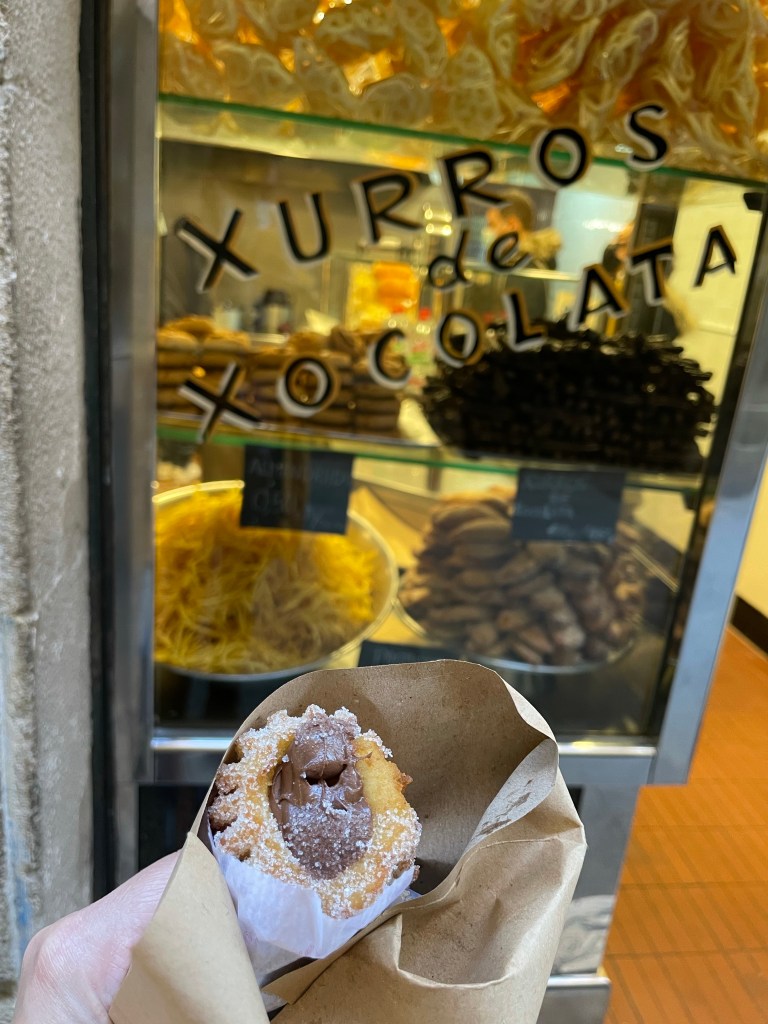
Churros– Hot fried dough, traditionally coated in sugar. In Spain, they order these con chocolat (with chocolate) to dip in, which I would also highly recommend trying! I’ve learned that anything Anthony Bourdain recommends is golden. Xurreria Dels Banys Nous is one of those places. This is a little hole-in-the wall walk-into place in the Gothic Quarter. They accept cash only, so be prepared. I went here on two separate occasions and got both the churros stuffed with Nutella (I didn’t even like Nutella before.. but this was SO GOOD!) and the original churros sprinkled with powdered sugar with a cup of chocolate to dunk them into. Delicious, quick, and cheap.. This place nails it.

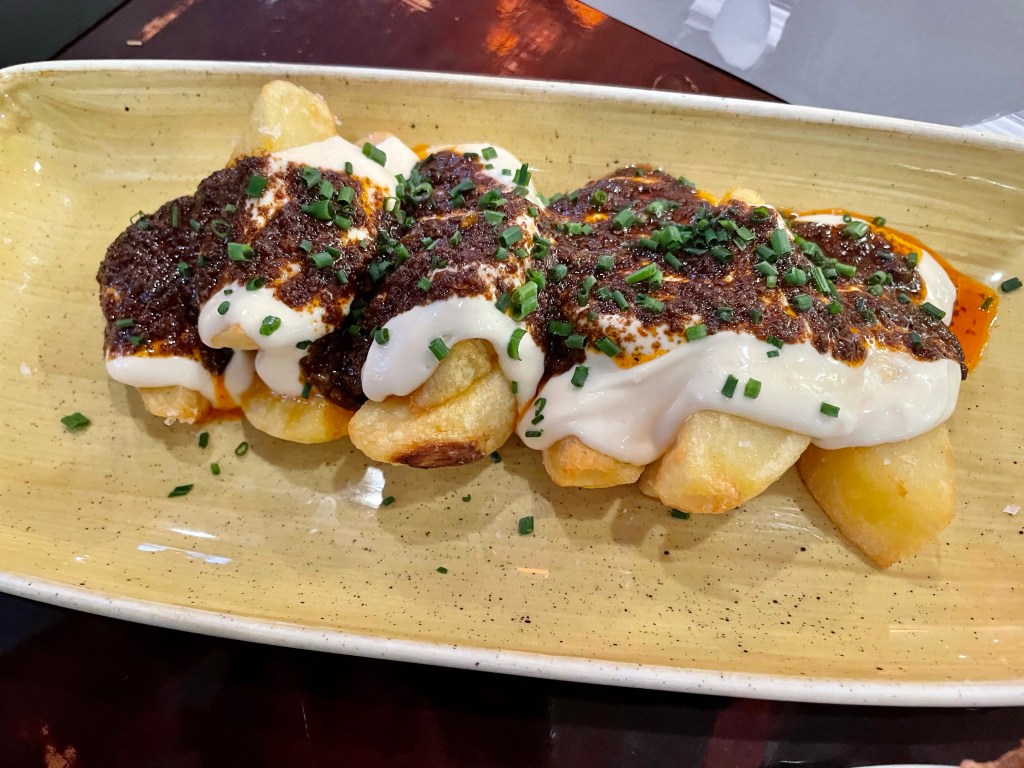
Patatas Bravas– Small, fried chunks of potatoes, traditionally covered with a hot red sauce. They are almost like French fries, but with a different taste and a topping. I looked up where I could find the best patatas bravas in Barcelona and Elsa y Fred consistently made the list for best patatas bravas on every site I went to. I also knew I would enjoy the sauce they put on theirs more, as it had a garlic aioli on top instead of the spicer sauce (I’m not usually a fan of spicy food). They were so delicious! Elsa y Fred also had a great atmosphere. I was able to make a reservation on their website, which I also really liked. I did not have to wait. I could’ve went back here almost every day. I found they had the best tapas around! Which leads me to..
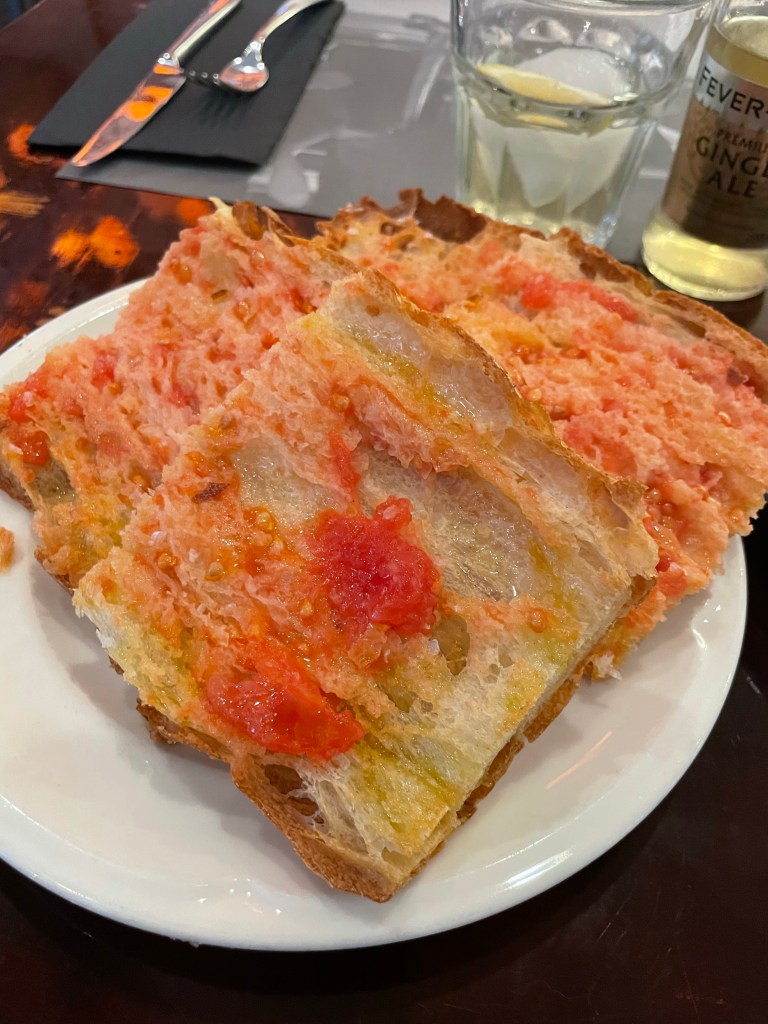
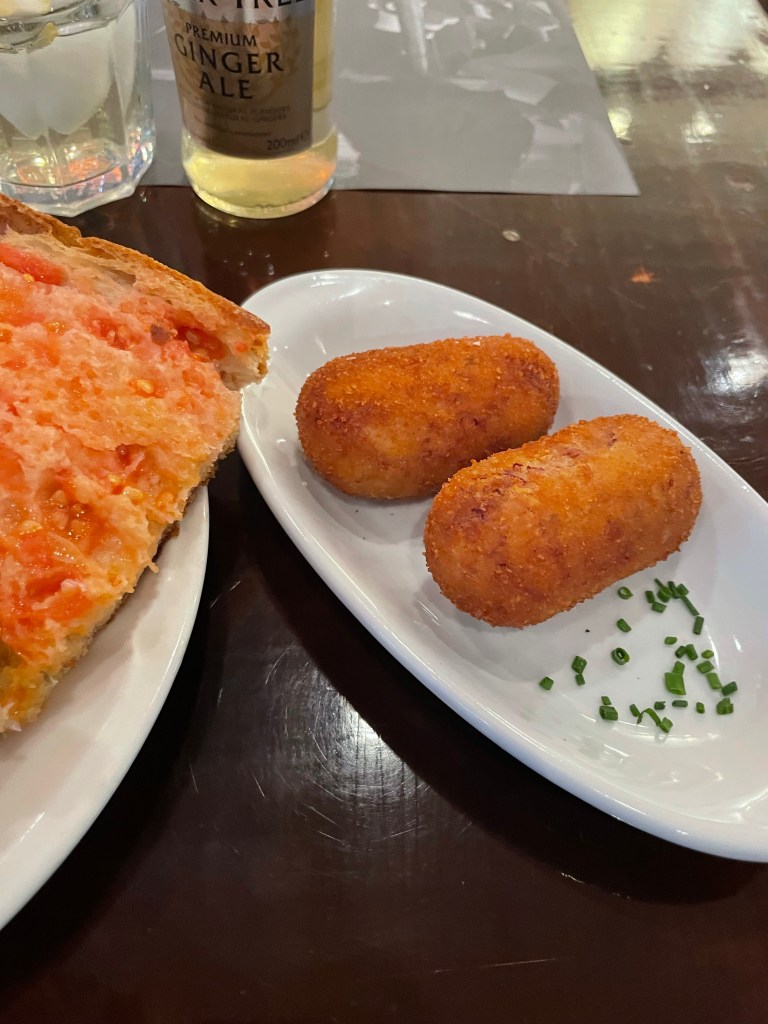
Tomato Bread– Just what it sounds like, bread with tomato on it. This is a staple in Barcelona. In many places, tomato bread itself a tapa. If you order a sandwich in Spain, it will be the base of the bread. It is simply toasted bread with olive oil drizzled on top, then tomato rubbed on the bread (not chunks or pieces of tomato usually), just enough to give the tomato flavor. Elsa y Fred also had wonderful tomato bread.
Croquetas– Fried, usually protein-stuffed balls of dough. Croquetas can be filled with many different things, but my favorite is ham and cheese. Once again, Elsa y Fred delivered! The outside was perfectly crunchy and the inside was hot, gooey deliciousness.
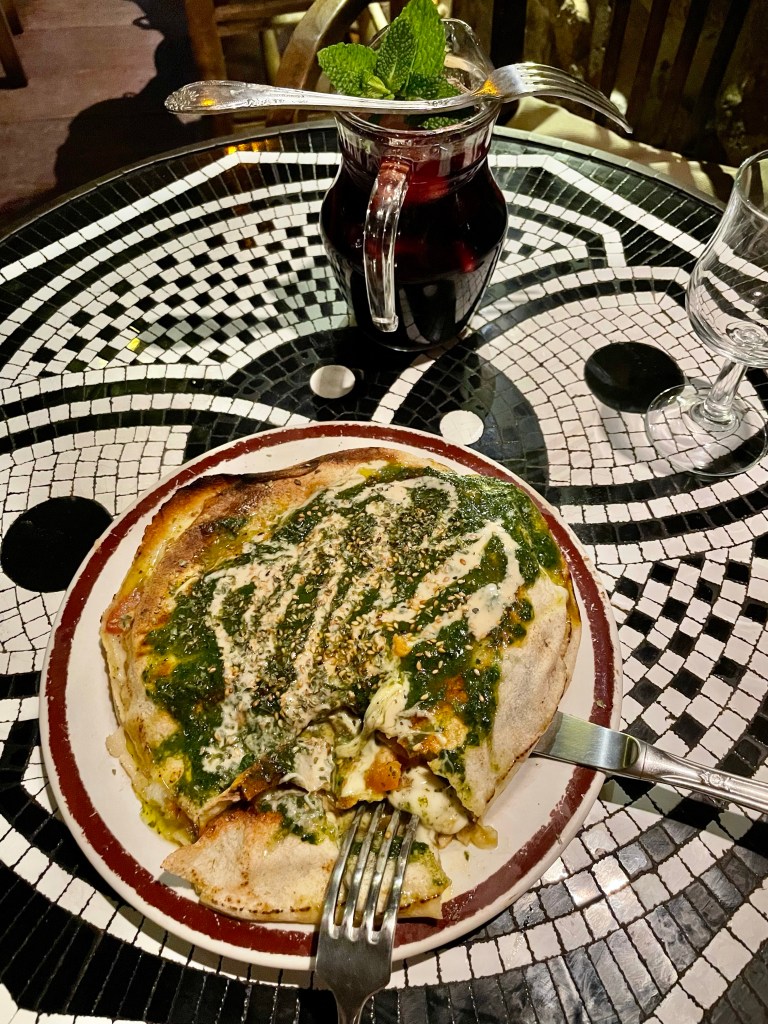
Sangria– Wine mixed with slices of fruit, often with other drinks (lemonade, orange juice), or spirits. Sangria originated in Spain, and is very popular here. It is found in most every restaurant. Salterio can boast for pretty yummy sangria. The food here is amazing as well. I ordered the pesto sardos, which are tortillas filled with cheese and other toppings, almost like a circular calzones, with additional sauces on top.
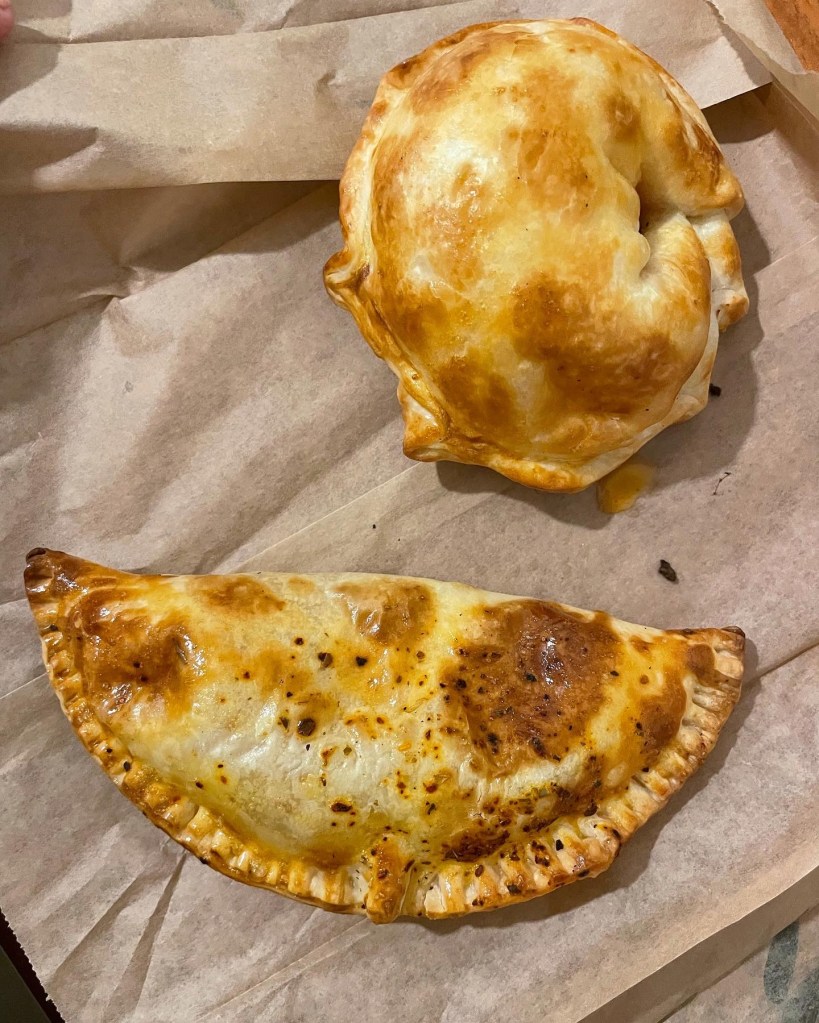
Empanadas– flaky, usually protein-filled pockets. Dulce y Salado was right across from my hotel, and an easy stop, so I had their pizza and ham and cheese empanadas. They were just ok, but I had to try some while in Spain.
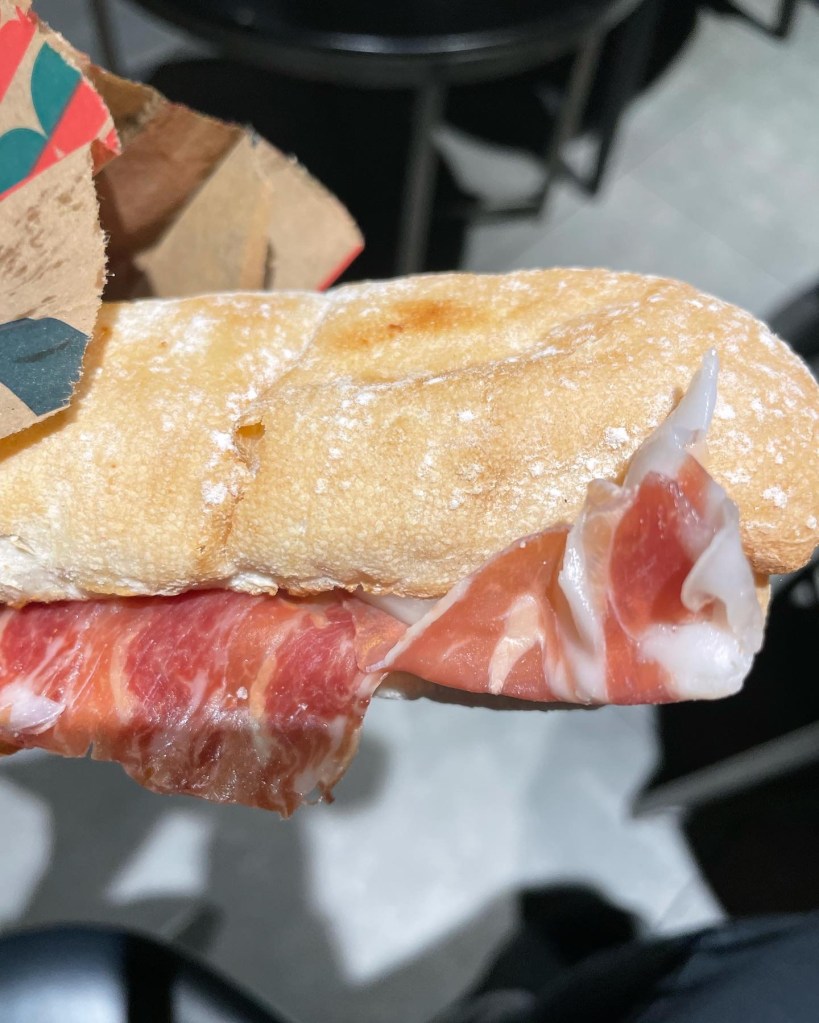
Jamon– Cured ham made from Iberian pig. Many times this may be offered as a tapa with cheese, or can be sold in the markets by itself. It can be quite expensive. I opted for a sub toasted with cheese at none other than Starbucks (it was only around 7 euros for the sandwich there). The thinly sliced ham tastes somewhat like traditional ham, but the texture and the cold saltiness give it a somewhat different taste.
One restaurant I have to mention is Restaurant La Boqueria. It was conveniently located beside my hotel as well, but I went here a couple of times simply because the food was so good. I highly recommend the small entrecôte (which comes with fries and peppers). It was the best meal of my trip. I also had some tapas here (fried olives, ham and cheese croquettes, and their pesto pastas bravas).
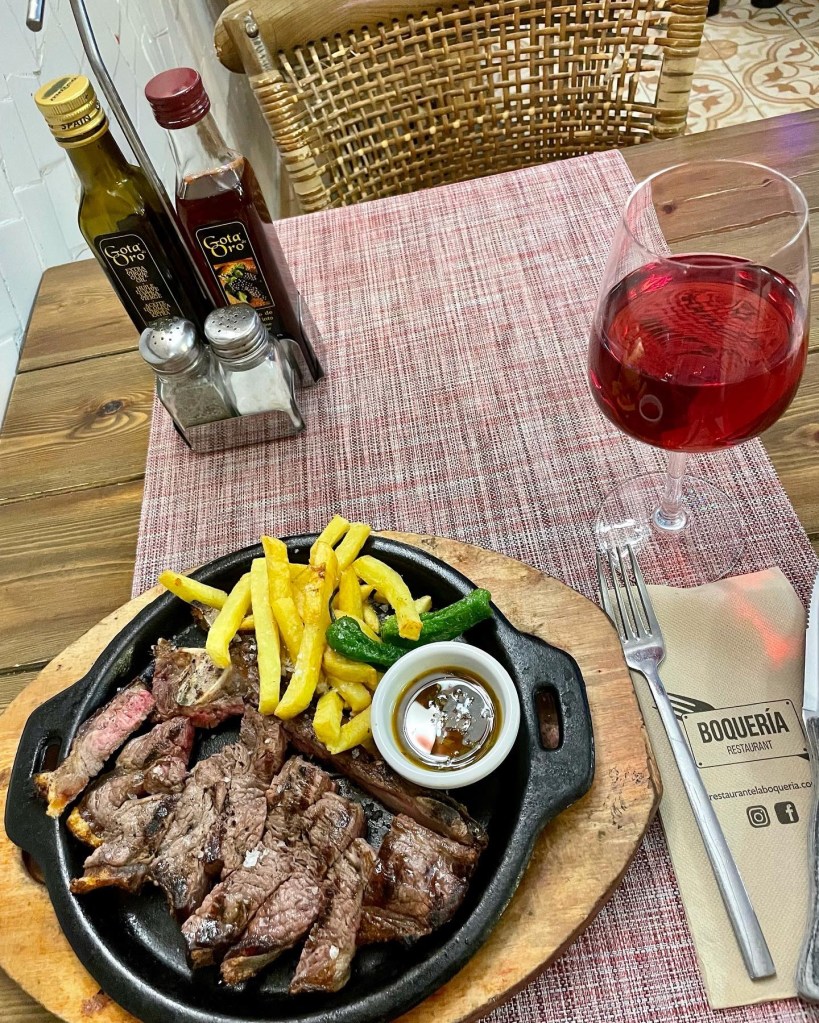
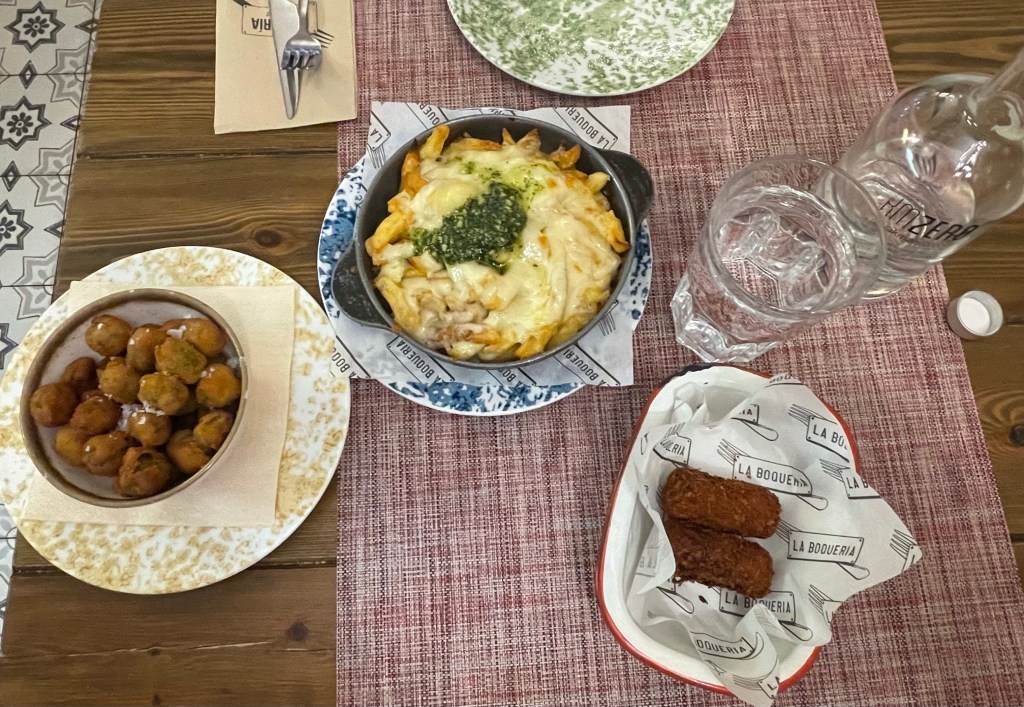
Another restaurant I found good and convenient was a little pizza shop, Focacceria Toscana Barcelona. The onion pizza was my favorite. It’s good for takeout by the slice or by the whole pizza. They have a little place where you can sit down and eat as well in the back.

Lekker Cafe in the Gothic Quarter was a nice and easy stop for breakfast. They offer traditional Dutch poffertjes (mini pancakes) served up all different ways (both savory and sweet) for your liking. They also offered a variety of hot drinks to start your day with.


Thank you all for reading the blog! I’m so happy I went to Barcelona, and if you are considering it… go. Happy and safe travels! Adios!

 bedtravels